
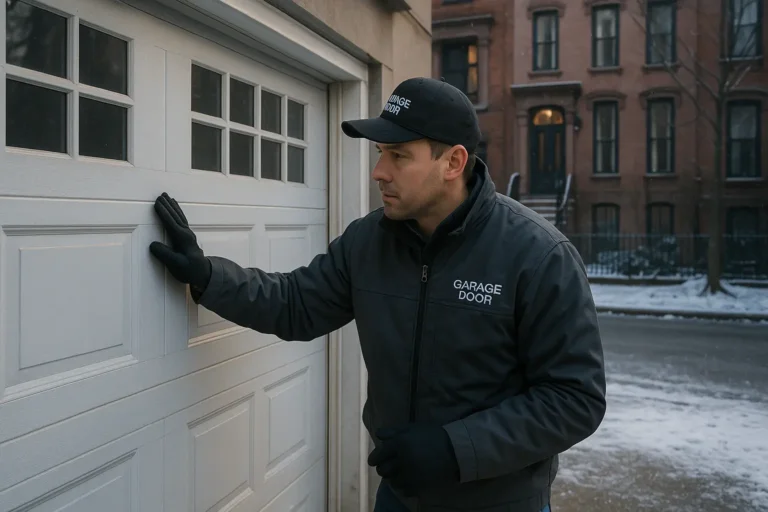
Winter in NYC hits hard. Freezing temps, ice storms, and road salt wreak havoc on garage doors. Every season, we see the same problems at Kraus Garage: frozen tracks, snapped cables, and doors that won’t budge.
Don’t wait until your door fails on a 20-degree morning. This checklist keeps your garage door running smooth all winter long.
Why Winterizing Your Garage Door Matters in NYC
NYC winters bring unique challenges. The mix of cold, moisture, and road salt accelerates wear on garage door components.
Temperatures drop below freezing for weeks. Ice builds up in tracks. Salt from streets corrodes springs and cables faster than in dry climates. Metal contracts in the cold, throwing off door balance.
Cold weather garage door issues cost homeowners $200-$400 in emergency repairs, according to HomeAdvisor data from 2024. Most of these problems are preventable.
Winter garage door maintenance protects your investment. It also keeps your garage usable when you need it most. Learn more about how to prepare for NYC winters before the first freeze.
12-Step Garage Door Winterization Checklist
Follow these steps before temperatures drop. Each one takes just minutes but prevents major headaches.
1. Inspect Weatherstripping
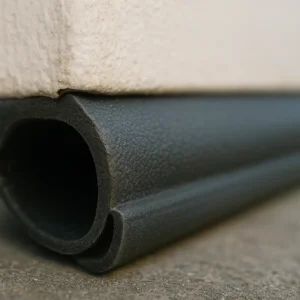
Check the rubber seal at the door bottom. Look for cracks, tears, or gaps. Replace it if you see daylight underneath.
Good weatherstripping blocks cold air and moisture. It also stops drafts that increase heating bills. Up to 25% of home heat can escape through uninsulated garage doors, per DOE data from 2023.
Common mistake: Using the wrong seal type. Bottom seals need to compress and spring back. Cheap vinyl cracks in cold weather.
2. Lubricate Moving Parts
Apply silicone-based lubricant to rollers, hinges, and springs. Do this twice per season—once before winter, once mid-season.
Use spray silicone, not WD-40. Silicone handles cold better and won’t attract dirt. Focus on roller bearings and hinge pins.
Pro tip: We’ve seen springs last 2-3 years longer with regular lubrication in NYC’s harsh climate at HO Garage Door Repair.
3. Test Door Balance
Disconnect the opener. Lift the door halfway by hand. It should stay in place. If it drops or shoots up, springs need adjustment.
Poor balance strains the opener motor. It also creates safety risks. Springs under tension are dangerous—call a pro if balance is off.
Real case: Last January, a client’s unbalanced door snapped a cable during a cold snap. The repair cost $320 instead of a $150 tune-up.
4. Check and Replace Worn Rollers
Look at each roller. Metal rollers should spin freely. Nylon rollers shouldn’t be chipped or cracked.
Frozen rollers cause jerky operation. They also make noise. Replace rollers every 5-7 years for smooth performance.
Watch for: Black residue or grinding sounds—signs rollers are failing.
5. Tighten All Hardware
Check bolts on hinges, tracks, and opener brackets. Cold weather loosens hardware. Grab a socket wrench and snug everything up.
Loose bolts cause rattling and misalignment. They also let cold air in. This takes 10 minutes and prevents bigger issues.
6. Inspect Cables for Fraying
Look closely at lift cables on both sides. Check for broken strands or rust. Never touch cables under tension.
Cables carry the door’s full weight. A snapped cable is dangerous and causes major damage. In NYC’s salty, moist air, cables corrode faster.
Critical: If you see fraying, don’t operate the door. Call for service immediately.
7. Clean Tracks Thoroughly
Remove dirt, debris, and old lubricant from tracks. Use a cloth and mild cleaner. Don’t lubricate tracks—they should stay dry.
Clean tracks prevent binding in cold weather. Ice and grime combine to jam doors. We get calls every winter from homeowners with frozen track issues.
8. Test Photo-Eye Sensors
Make sure sensors align properly. Test them by placing an object in the door’s path. The door should reverse immediately.
Cold weather shifts sensor alignment. Misaligned sensors create safety hazards. Clean sensor lenses with a soft cloth.
9. Update Garage Door Opener Settings
Adjust force and limit settings on your opener. Check the manual for your model. Test the auto-reverse function.
Openers work harder in cold weather. Metal contracts, changing how much force is needed. Proper settings prevent motor burnout.
10. Seal Gaps and Cracks
Check around the door frame for air leaks. Apply weatherproof caulk to any gaps. Focus on the top and sides.
Sealing gaps improves insulation. It also keeps moisture out. Moisture causes rust and wood rot in garage structures.
NYC specific: Road salt mist enters through tiny cracks and corrodes hardware faster.
11. Add or Replace Insulation
Consider insulation panels if your garage is attached. R-value of 12-16 works for NYC climate.
Insulated doors reduce energy costs. They also protect stored items from temperature swings. Installation takes 2-3 hours for most standard doors.
Data point: The average NYC homeowner saves $120-$180 annually on heating costs with proper garage insulation, per Energy Star estimates.
12. Schedule Professional Inspection
Have a tech check spring tension, opener function, and safety features. Professional eyes catch problems you might miss.
Experts measure spring cycles remaining. They also test weight balance precisely. This prevents mid-winter failures.
Costs & Timelines
Professional garage door winterization costs \$95-\$250 in the NYC area. The service takes 60-90 minutes.
Basic tune-ups start at $95. Full winterization with parts replacement runs $150-$250. Emergency winter repairs cost 2-3 times more.
Compare that to a $400 service call when your door freezes shut on a Monday morning. Preventive care saves money.
Most companies offer seasonal packages. Book early—November through December fills up fast. Check out our fall maintenance tips for year-round care strategies.
Best timing: Schedule service in October or early November before the first hard freeze.
DIY vs Professional Winterization
You can handle basic winterization yourself. Lubricating parts, checking weatherstripping, and cleaning tracks are safe DIY tasks.
Leave spring work, cable replacement, and opener repairs to professionals. These jobs require special tools and training. Springs store enough energy to cause serious injury.
Safety first: Never adjust springs or cables yourself. One wrong move can lead to hospital visits.
Professional service includes safety checks you can’t do without equipment. Techs measure spring tension, test door weight distribution, and verify safety sensor calibration.
If something goes wrong during winter, we offer 24/7 emergency repair service. But preventive care keeps emergencies rare.
What you can do: Steps 1, 2, 5, 7, 8, 10
What needs a pro: Steps 3, 4, 6, 9, 12
Book a Winter Checkup
Don’t risk a garage door failure this winter. NYC cold is unforgiving on mechanical systems.
Our team at HO Garage Door Repair has winterized thousands of doors across Long Island and NYC. We’ve seen every winter problem—and we know how to prevent them.
Schedule your garage door winterization NYC service today. Beat the rush and lock in pre-winter pricing.
Call now or book online. We’ll have your door winter-ready in under 90 minutes. Protect your home, your schedule, and your peace of mind.
Winter is coming. Is your garage door ready?