
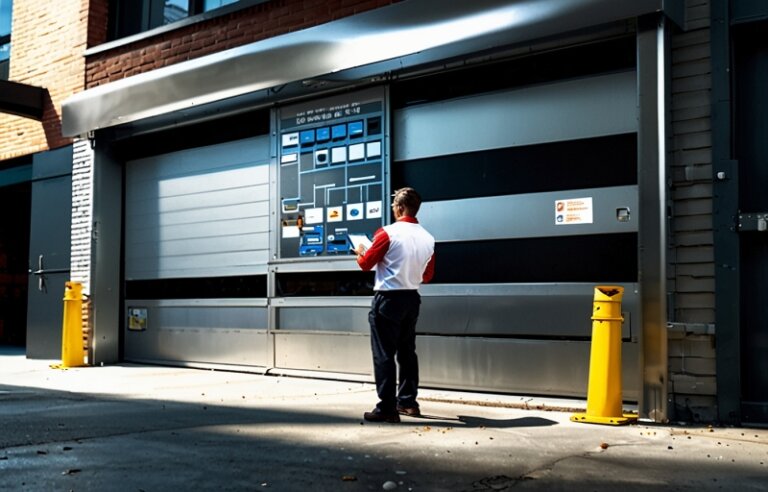
Your garage door just got sideswiped—again. Maybe it was a delivery truck making a tight turn in your Brooklyn alley. Or a double-parked Uber blocking your driveway in Queens, forcing someone to squeeze past your door a little too close. Or just the daily chaos of NYC streets where every inch of space gets used, abused, and fought over.
After working on garage doors across all five boroughs for years, I can tell you that traffic-related damage is one of the top repair calls we get. And here’s the thing—most of it is preventable. Not all of it, because you can’t control NYC traffic. But you can protect your garage door from the worst of it with the right strategies.
Learning how to prevent garage door damage from NYC traffic requires understanding the specific challenges of urban garage doors. Suburban garages face quiet cul-de-sacs. NYC garages face delivery trucks, rideshare pickups, street parking chaos, narrow alleys, aggressive drivers, and constant vehicle movement within feet of your door. These conditions create damage risks that don’t exist anywhere else.
This guide covers practical, tested strategies to prevent garage door damage from NYC traffic based on real experience with urban conditions. Some solutions are simple and cheap. Others require investment. All of them work better than hoping your door survives the daily assault of city traffic unscathed.
Why NYC Traffic Is Uniquely Destructive to Garage Doors
Before getting into how to prevent garage door damage from NYC traffic, let’s understand what makes urban traffic so hard on garage doors.
Proximity to active traffic: Most NYC garage doors are 10-20 feet from active streets. In boroughs like Brooklyn and Queens, many garages open directly onto sidewalks or alleys with constant vehicle and pedestrian traffic. Your door isn’t set back from a quiet residential street—it’s part of the urban landscape where things happen constantly.
According to NYC Department of Transportation data, over 2 million vehicles enter Manhattan daily, with millions more moving through other boroughs. That’s tremendous traffic density creating constant exposure for your garage door.
Delivery vehicle chaos: NYC runs on deliveries. Amazon, FreshDirect, UPS, FedEx, food delivery, contractors—your street sees dozens of commercial vehicles daily. Delivery drivers are under time pressure, working in unfamiliar areas, maneuvering large vehicles through tight spaces. They’re not always careful about garage doors.
I’ve responded to countless calls where delivery trucks backed into doors, scraped them while turning, or knocked off sensors and hardware. It’s not malicious—it’s the reality of urban delivery logistics.
Parking desperation: Finding parking in NYC is a competitive sport. Drivers squeeze into impossibly tight spots, park as close to garage doors as physically possible, and sometimes block driveways entirely. This creates situations where your garage door can’t open without risk, or where vehicles scrape it during parking attempts.
Narrow alleys and shared driveways: Many NYC garages are accessed through alleys barely wider than a vehicle, or driveways shared with multiple properties. There’s no margin for error. A driver misjudging clearance by inches can cause significant door damage.
Aggressive driving: NYC drivers are… assertive. The combination of congestion, time pressure, and limited space creates driving behavior that doesn’t prioritize caution around garage doors. People cut corners (literally), make tight turns without checking clearance, and generally move faster than conditions warrant.
Construction and commercial vehicles: Beyond regular traffic, NYC streets host constant construction. Cement trucks, dumpsters, scaffolding, equipment deliveries—all create situations where your garage door is at risk from oversized vehicles maneuvering in tight spaces.
Limited visibility: Buildings, parked cars, and street furniture create blind spots. Drivers can’t always see garage doors until they’re very close. Garage owners operating doors can’t always see approaching vehicles. This visibility problem contributes to accidents.
Weather complications: Rain, snow, and ice reduce visibility and vehicle control. NYC weather combined with traffic density means more accidents, more vehicles sliding into things, more damage to garage doors.
Understanding these factors is essential to knowing how to prevent garage door damage from NYC traffic effectively. Now let’s get into solutions.
Material Selection: Your First Line of Defense
The material your garage door is made from dramatically affects its ability to withstand NYC traffic damage. Choosing the right material is fundamental to preventing damage.
Steel doors: Best for urban impact resistance
Steel doors are the top choice for NYC garage doors facing traffic. Here’s why:
Impact resistance: Steel withstands minor collisions far better than other materials. A vehicle bumper scraping steel might leave a paint mark but won’t dent or break the door. The same impact on wood or aluminum causes significant damage.
Durability: Steel doors last 20-30 years in harsh urban conditions. They resist weathering, don’t warp, and maintain structural integrity despite abuse.
Repairability: When steel doors do get damaged, they’re repairable. Dents can be filled, panels replaced, paint touched up. Damaged wood doors often require full panel or door replacement.
Cost-effectiveness: While not the cheapest option, steel offers the best value for NYC conditions. The longevity and damage resistance justify the investment.
Insulated steel is even better: Double-layer steel with foam insulation between layers provides extra rigidity. These doors resist denting better than single-layer steel. The insulation layer adds structural support that helps doors withstand impacts.
Wood doors: Beautiful but vulnerable
Wood offers unmatched aesthetic appeal but poor traffic damage resistance:
Impact vulnerability: Wood cracks, splits, and dents easily. Vehicle impacts that steel would shrug off can destroy wood panels.
Moisture problems: NYC humidity and rain cause wood to warp and rot. Traffic damage plus moisture creates accelerated deterioration.
Maintenance intensity: Wood needs regular refinishing to maintain protection. In urban environments with pollution and weather exposure, this means refinishing every 2-3 years.
Bottom line on wood: If your garage faces significant traffic exposure in Brooklyn, Queens, or the Bronx, wood is a poor choice. Save wood for garages with minimal traffic risk or where aesthetics outweigh practical concerns.
Aluminum doors: Lightweight but damage-prone
Aluminum resists rust and is lightweight, but:
Dents easily: Aluminum is soft metal. Even minor impacts create noticeable dents. In high-traffic areas, aluminum doors show damage quickly.
Difficult repairs: Aluminum dents are hard to repair properly. They often require panel replacement rather than repair.
Best use case: Aluminum works in coastal areas where rust resistance matters more than impact resistance. But for traffic damage prevention, it’s not ideal.
Fiberglass and composite options:
Modern composite materials combine different materials for balanced properties:
Good impact resistance: Quality composites withstand impacts reasonably well—better than wood or aluminum, though not quite as good as steel.
Low maintenance: Composites don’t rust, warp, or require painting. This is valuable in urban environments.
Cost consideration: Composites typically cost more than steel. For urban traffic exposure, steel usually provides better value.
My recommendation for NYC:
For garage doors facing significant traffic exposure—which is most NYC garage doors—insulated steel is the smart choice. It offers the best combination of impact resistance, durability, cost-effectiveness, and repairability. When replacement time comes or if you’re choosing for new construction, invest in quality steel doors designed for commercial or high-traffic use.
For professional guidance on material selection and door installation, experienced techs can assess your specific situation and recommend optimal materials for your location and traffic exposure.
Physical Barriers: Bollards and Protective Posts
One of the most effective strategies to prevent garage door damage from NYC traffic is keeping vehicles away from the door entirely. Physical barriers accomplish this.
What bollards are and how they work:
Bollards are short, sturdy posts installed in front of garage doors. They create a physical barrier that vehicles can’t cross. When a vehicle hits a bollard instead of your door, the bollard absorbs the impact. Bollards might get scratched or dented, but your expensive garage door remains intact.
Where bollards make sense:
Alleys and tight spaces: If your garage opens onto a narrow alley where vehicles regularly pass within feet of the door, bollards are essential protection.
Shared driveways: When multiple properties share driveway access, bollards define your space and prevent encroachment.
High delivery traffic areas: If your street sees constant delivery vehicle activity, bollards protect against backing accidents.
Street-facing garages: Garages opening directly onto streets benefit from bollards preventing parking too close or accidental contact.
Bollard installation considerations:
Proper spacing: Bollards should be far enough from the door to protect it but not so far they’re ineffective. Typically 3-5 feet from the door face works well.
Height matters: Bollards need to be tall enough to protect door panels (usually 36-42 inches) but not so tall they create visibility problems.
Foundation requirements: Effective bollards need solid foundation—they’re typically set in concrete footings 2-3 feet deep. Surface-mounted bollards don’t provide adequate protection.
Material selection: Steel or concrete bollards work best. Decorative bollards that look good but can’t withstand impacts are pointless.
NYC-specific installation challenges:
Permits: Installing bollards in NYC may require permits, especially if they’re in public right-of-way or sidewalk areas. Check with your local building department before installation.
Utility clearance: Before digging for bollard foundations, call 811 to locate underground utilities. NYC’s dense infrastructure means utilities run everywhere.
Space constraints: In extremely tight spaces, bollards might not fit without creating other problems. Professional assessment determines feasibility.
Aesthetic considerations:
Bollards don’t have to be ugly industrial posts. Options include:
- Decorative steel bollards in various finishes
- Planters that serve dual purpose (beauty + protection)
- Bollards integrated into fencing or walls
- Retractable bollards for areas needing occasional clear access
Cost and ROI:
Bollard installation runs $200-500 per bollard installed, depending on size, material, and foundation requirements. Two bollards protecting a single garage door typically cost $400-1,000 total.
Compare this to garage door damage repair:
- Panel replacement: $250-600 per panel
- Full door replacement: $800-3,000+
- Repeated minor repairs: $100-300 each time
Bollards pay for themselves the first time they prevent significant damage.
Alternative physical barriers:
If bollards don’t work for your situation, consider:
Wheel stops: Concrete or rubber wheel stops prevent vehicles from pulling too close to your door. Less protective than bollards but better than nothing.
Planters: Large, sturdy planters create barriers while adding aesthetics. Ensure they’re heavy enough not to be easily pushed.
Low walls or curbs: Raised concrete curbs or low walls define garage door zones and prevent vehicle encroachment.
Gates: Where space allows, gates installed several feet in front of garage doors provide excellent protection. Vehicles can’t reach the garage door without first going through the gate.
Physical barriers are one of the most effective ways to prevent garage door damage from NYC traffic. They’re passive protection—always working, requiring no action from you, effective regardless of driver behavior or attention.
Strategic Parking and Access Control
How you manage access and parking around your garage door significantly affects damage risk. Strategic control helps prevent garage door damage from NYC traffic.
Driveway management:
Clear marking: Paint or mark your driveway clearly. Use different colored concrete, painted lines, or other visual cues that clearly communicate “this is private property, do not block.”
Signage: Post clear “No Parking,” “Driveway—Do Not Block,” or “Tow Zone” signs. NYC requires specific signage formats for legal enforcement. Check with NYC DOT regulations for requirements.
Enforcement: If people regularly block your driveway, don’t hesitate to call for ticketing or towing. Being the “mean neighbor” is better than constant garage door damage.
Communication with regular delivery services:
Amazon, FedEx, UPS: These companies have notes systems. Request notes on your address about garage door location, tight clearances, or specific precautions.
Food delivery: For regular delivery services you use, add delivery notes mentioning garage door and requesting care.
Building staff coordination: In multi-family buildings, ensure super, doormen, or building managers understand garage door protection needs and communicate with service people.
Parking awareness for your own household:
Teach proper spacing: Family members and regular visitors should know proper clearances when parking near garage doors—yours or neighbors’.
Guest instructions: Inform guests about parking constraints and garage door locations before they arrive.
Service provider communication: When scheduling contractors, cleaners, or other services, provide specific parking instructions mentioning garage door.
Technology aids:
Parking sensors: Install parking sensors that alert drivers when they’re getting too close to garage door. These work for both you and visitors using your driveway.
Cameras: Visible security cameras discourage careless behavior near garage doors. Drivers who know they’re being recorded tend to be more careful.
Smart monitoring: Systems that alert you when vehicles are in your driveway let you address problems immediately rather than discovering damage later.
Shared driveway protocols:
For properties sharing driveway access:
Written agreements: Document who parks where, access times, maintenance responsibilities. Clear agreements prevent conflicts.
Regular communication: Periodic meetings with driveway-sharing neighbors address issues before they escalate.
Shared cost for protection: If bollards or other protection benefits all parties, share installation costs.
Tenant education:
If you rent out property:
Lease clauses: Include specific language about garage door care, parking requirements, and damage responsibility.
Move-in orientation: Show new tenants garage door operation, clearances needed, common damage causes.
Ongoing reminders: Periodic reminders about garage door care prevent complacency.
Delivery management strategies:
Designated delivery zones: If possible, create delivery zones away from garage doors. Clear signage directs delivery people to safe areas.
Package lockers or boxes: Reducing doorstep deliveries reduces delivery vehicle traffic near your garage.
Scheduled deliveries: When feasible, schedule deliveries for times when you’re home to guide drivers or monitor the situation.
Strategic access control and parking management create behavioral barriers that supplement physical protection, helping prevent garage door damage from NYC traffic through awareness and communication rather than just physical obstacles.
Visibility Enhancements That Prevent Accidents
Many traffic-related garage door accidents happen because drivers simply don’t see the door until too late. Improving visibility helps prevent garage door damage from NYC traffic significantly.
Reflective materials:
Reflective tape: Industrial-grade reflective tape applied to door edges makes doors visible in low light or poor weather. This is especially valuable for:
- Garage doors in alleys with limited lighting
- Areas where buildings create shadows
- Locations where headlights don’t effectively illuminate doors
Apply tape in high-contrast patterns (diagonal stripes work well) for maximum visibility.
Reflective paint: Specialized reflective paint can be applied to entire door or in patterns. More subtle than tape but effective.
Reflective markers: Corner reflectors or edge markers similar to those used on trucks make door edges clearly visible.
Lighting solutions:
Motion-activated lights: Lights that turn on when motion detected serve multiple purposes:
- Illuminate garage door for approaching vehicles
- Alert you to activity near garage
- Deter potential vandalism or theft
- Help you see obstacles when operating door
Install lights to illuminate both the door and approach areas.
Always-on accent lighting: Low-level lighting that stays on continuously makes garage door location clear even when motion lights aren’t triggered.
Lighting on the door itself: Some garage doors can have lighting installed directly on panels or frame. This makes the door itself visible rather than relying on external lighting.
Color and contrast:
High-contrast colors: Garage doors that contrast strongly with surroundings are more visible. A white door on a brick building or dark door on light colored building stands out better than matching colors.
Warning stripes: Yellow and black diagonal stripes (like industrial warning markings) communicate “pay attention here.” While not aesthetically beautiful, they’re extremely effective in high-risk situations.
Bright colors: In situations where aesthetics allow, bright colors (red, orange, bright blue) make doors more noticeable than neutral colors.
Physical visibility markers:
Flags or banners: Bright colored flags mounted near garage doors (particularly in alleys or tight spaces) catch attention and mark garage door location.
Ground markings: Paint markings on pavement in front of garage doors (yellow hash marks, “DOOR” painted in large letters, etc.) warn drivers and define clearance zones.
Vertical markers: Tall flexible marker posts (like those at parking lot edges) positioned beside garage doors provide visual reference points for drivers maneuvering nearby.
Digital solutions:
LED strips: Programmable LED light strips can be installed around garage door frames. They can be set to:
- Change color to indicate door status (red when closed, green when open)
- Flash when door is operating
- Stay on continuously for visibility
- React to proximity sensors
Smart alerts: Systems that detect vehicles near garage door and send alerts to your phone let you monitor situations and intervene if needed.
Seasonal considerations:
Winter visibility: Snow can obscure ground markings and low-mounted reflectors. Ensure visibility aids are mounted high enough to remain visible with snow accumulation.
Summer glare: Bright summer sun can wash out some visibility markers. Test visibility in various conditions.
Maintenance of visibility features:
Visibility enhancements only work if maintained:
- Replace worn reflective tape annually
- Clean lights and reflectors regularly
- Repaint ground markings as they fade
- Test motion sensors quarterly
Community coordination:
In areas with multiple garages in close proximity, coordinated visibility efforts work better than isolated attempts. If several neighbors use similar reflective marking systems, drivers learn to look for those cues throughout the area.
Enhanced visibility is one of the cheapest and most effective ways to prevent garage door damage from NYC traffic. A $20 roll of reflective tape and a $50 motion light can prevent hundreds in damage.
Regular Maintenance and Quick Repairs
Keeping your garage door in good condition makes it more resistant to traffic damage. Regular maintenance helps prevent garage door damage from NYC traffic by ensuring components function properly and minor damage doesn’t escalate.
Why maintenance matters for damage prevention:
Structural integrity: Well-maintained doors with tight hardware and good alignment withstand impacts better than doors with loose components.
Quick recovery: Doors in good condition recover from minor bumps without permanent damage. Worn doors suffer disproportionate damage from similar impacts.
Early detection: Regular inspection catches minor damage before it becomes major. A small dent found early can be repaired cheaply. The same damage ignored becomes panel replacement.
Monthly inspection routine:
Visual check: Walk around garage door looking for:
- Dents, scratches, or other damage
- Loose or damaged hardware
- Track alignment issues
- Weatherstripping condition
- Signs of rust or corrosion
Operation test: Open and close door watching for:
- Smooth, even movement
- Unusual sounds
- Binding or hesitation
- Proper closing and sealing
Hardware check: Tighten any loose:
- Hinge bolts
- Track mounting brackets
- Roller brackets
- Handle and lock hardware
Quarterly professional service:
While monthly DIY checks are important, quarterly professional service catches issues you’ll miss:
- Spring tension verification
- Cable condition assessment
- Track alignment precision measurement
- Opener force setting optimization
- Safety feature testing
For comprehensive quarterly maintenance service, professional technicians ensure your door operates optimally and identify developing problems.
Immediate repair of minor damage:
When traffic causes minor damage:
Small dents: Address immediately before they rust or worsen. Many small dents can be repaired without panel replacement.
Scratches: Touch up paint scratches promptly. Bare metal exposed to NYC weather rusts quickly.
Loose hardware: Tighten immediately. Loose hardware allows components to shift during operation, causing additional damage.
Damaged sensors: If vehicle contact knocks sensors out of alignment, realign immediately. Operating door with faulty sensors is safety risk.
Paint and finish maintenance:
Protect against rust: In NYC’s challenging environment, maintaining protective finishes prevents rust that weakens doors:
- Inspect paint annually
- Touch up chips and scratches immediately
- Consider professional repainting every 5-7 years for steel doors
- Apply rust inhibitor to any exposed metal
Weatherstripping replacement:
Worn weatherstripping allows:
- Water intrusion (causing rust)
- Debris infiltration
- Impact from objects sliding under door
Replace weatherstripping when:
- Cracks or tears appear
- Material becomes brittle
- Sealing gaps develop
Track and roller maintenance:
Clean tracks quarterly:
- Remove dirt and debris
- Wipe with damp cloth
- Dry thoroughly
- Apply light lubricant
Lubricate rollers:
- Apply silicone-based lubricant to roller bearings
- Ensure rollers spin freely
- Replace worn rollers showing flat spots or cracks
Documentation:
Keep maintenance log noting:
- Date of inspections
- Issues found
- Repairs performed
- Parts replaced
This record helps identify patterns and provides documentation for warranty or insurance claims if major damage occurs.
The cost of deferred maintenance:
Skipping maintenance to save money backfires:
- Minor issues become major repairs
- Components fail prematurely
- Door becomes more vulnerable to damage
- Safety risks develop
Annual professional maintenance ($100-150) plus DIY monthly checks ($0 cost, 15 minutes time) prevents repairs costing hundreds or thousands.
Well-maintained garage doors are resilient garage doors. Regular care helps prevent garage door damage from NYC traffic by keeping your door strong, functional, and able to withstand the urban environment’s challenges.
When Damage Happens: Response and Repair
Despite best efforts to prevent garage door damage from NYC traffic, accidents happen. Quick, appropriate response minimizes consequences.
Immediate assessment after impact:
If your garage door is hit:
Stop using the door immediately. Don’t attempt to operate it until you’ve assessed damage. Operating damaged doors can:
- Cause additional damage
- Create safety hazards
- Injure people or damage vehicles
Inspect for obvious damage:
- Bent panels or frame
- Damaged tracks
- Broken hardware
- Knocked-out sensors
- Door off track
Document the damage:
- Take photos from multiple angles
- Note date and time
- Document conditions (weather, lighting, etc.)
- Get contact information from driver if available
Determine if it’s operable:
If damage is minor (small dent, paint scratch, knocked sensor):
- May be safe to use carefully until repair scheduled
- Verify safety features still function
- Watch for new sounds or operational changes
If damage is significant (bent track, door off track, structural damage):
- Do not use door
- Call emergency repair service
- Find alternate vehicle access
Insurance and liability:
If driver is identifiable:
- Get driver’s insurance information
- File police report if appropriate
- Document everything thoroughly
- Contact your insurance company
Hit and run situations:
- File police report
- Document damage comprehensively
- Contact your insurance (homeowners or property insurance typically covers)
- Inquire about neighborhood cameras that might have captured incident
Emergency repair services:
For serious damage needing immediate attention:
- Find licensed emergency garage door service
- Verify they’re insured and bonded
- Get estimate before authorizing work
- Ensure they guarantee repairs
Repair vs. replacement decision:
When to repair:
- Damage limited to one or two panels
- Structure and operation not compromised
- Cost under 50% of replacement cost
- Door otherwise in good condition
When to replace:
- Multiple panels damaged
- Frame or structural damage
- Door old and showing other wear
- Repair costs approach replacement costs
Professional assessment determines best course. Sometimes what looks repairable isn’t cost-effective once labor and parts are factored.
Preventing repeat incidents:
After repairing damage, analyze how it happened:
- Was it preventable?
- Do you need better barriers?
- Should visibility be improved?
- Are traffic patterns manageable?
Implement additional protection based on lessons learned. Don’t just repair damage—prevent recurrence.
Keeping records:
Document all damage incidents:
- Photos and descriptions
- Repair costs
- Insurance claims
- Preventive measures taken
This creates paper trail useful for:
- Insurance purposes
- Identifying patterns
- Justifying prevention investments
- Landlord-tenant issues
Quick response to damage, appropriate repairs, and learning from incidents all contribute to long-term strategy to prevent garage door damage from NYC traffic.
Bottom Line: Protecting Your NYC Garage Door
After covering everything about how to prevent garage door damage from NYC traffic, here’s what matters:
Material selection is foundational. Steel doors withstand urban traffic abuse far better than wood or aluminum. If you’re choosing a new door or facing replacement, invest in quality steel.
Physical barriers work. Bollards, planters, or other obstacles that keep vehicles away from doors are highly effective passive protection.
Visibility prevents accidents. Reflective tape, good lighting, and clear marking help drivers see and avoid your garage door.
Maintenance matters. Well-maintained doors resist damage better and recover from minor impacts without permanent harm.
Quick response minimizes damage. Addressing minor damage immediately prevents escalation into major problems.
Strategic management helps. How you control parking and access around your garage affects damage risk significantly.
Start by assessing your current situation:
- What material is your door?
- How close does traffic come?
- What visibility aids are in place?
- When was last maintenance?
- Have you had damage before?
Identify your biggest vulnerabilities and address those first. For most NYC properties, this means:
- Installing bollards or barriers if traffic comes within 5 feet of door
- Adding reflective materials and lighting for visibility
- Establishing monthly inspection routine
- Scheduling professional maintenance
Then consider longer-term improvements:
- Steel door upgrade when replacement time comes
- Enhanced lighting systems
- Smart monitoring technology
- Improved driveway control
The goal isn’t eliminating all risk—you can’t control NYC traffic. The goal is reducing risk to manageable levels through layered protection.
Finally, remember prevention is always cheaper than repair. Money spent on bollards, lighting, and maintenance pays for itself many times over by avoiding damage. Time invested in awareness and management prevents headaches and costs down the road.
NYC traffic isn’t going away. Your garage door needs to survive in this environment. Following these strategies to prevent garage door damage from NYC traffic gives your door the best chance of lasting its full lifespan despite the urban chaos around it.