
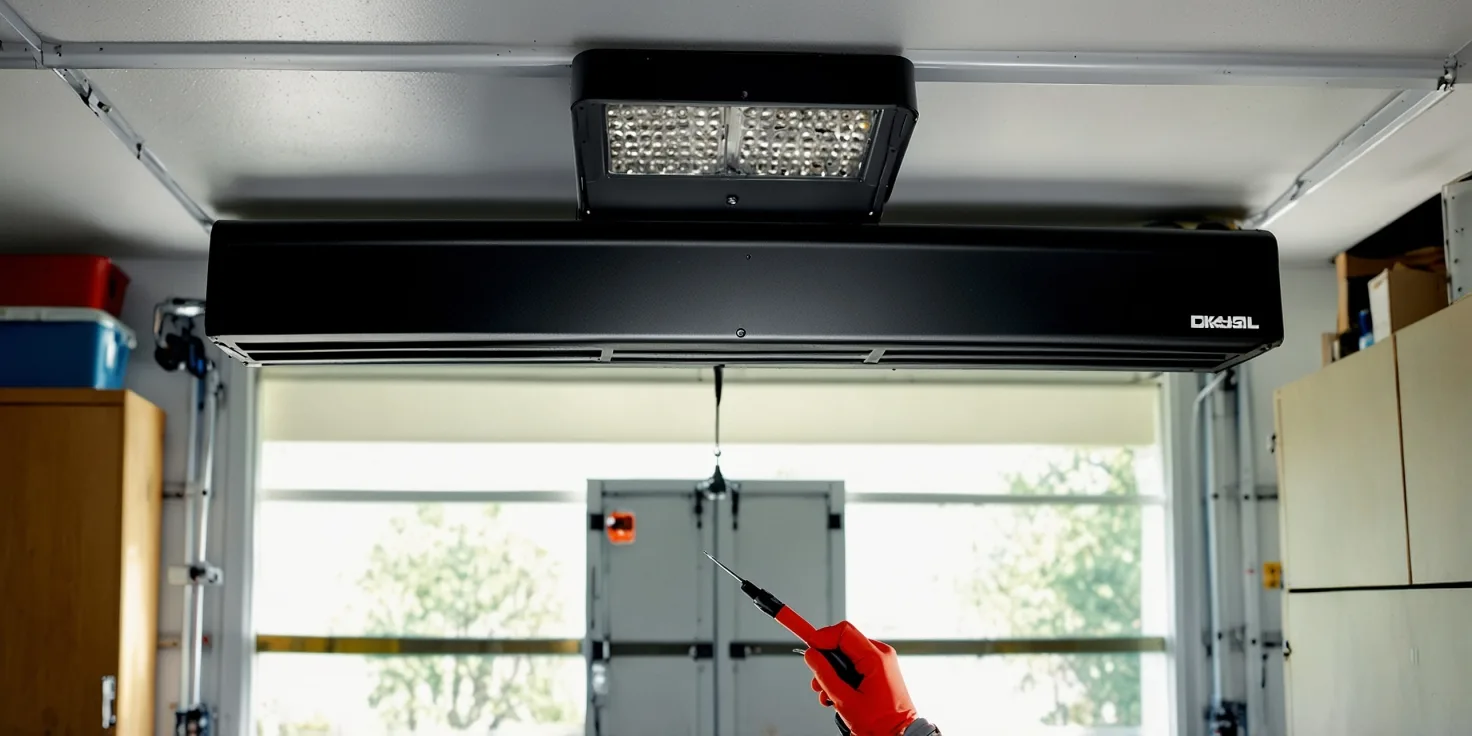
If your garage door opener stopped working after thunderstorm, you’re not alone. Power surges and GFCI outlet trips are among the most common service calls we receive at H&O Garage Door Repair across Queens, Brooklyn, the Bronx, and Long Island. Understanding how surge protection and GFCI outlets work can save you hundreds in repair costs and keep your family safe.
Why NYC Garages Need Surge & GFCI Protection
New York City’s unique housing landscape creates specific electrical challenges for garage door systems. Many Brooklyn brownstones and Queens co-ops were built decades ago with electrical systems that weren’t designed for modern garage door openers. When you’re sharing circuits with multiple units or dealing with aging wiring, GFCI outlets become essential safety devices rather than optional upgrades.
Power surges hit NYC harder than you might think. Every summer thunderstorm, winter ice storm, or Con Edison maintenance window brings the risk of voltage spikes that can fry the delicate circuit boards in your LiftMaster, Chamberlain, or Genie opener. The damage isn’t always immediate—sometimes a surge weakens components that fail weeks later, leaving you stuck with a non-functioning garage door during the morning rush.
The good news? Proper surge protection and correctly installed GFCI outlets prevent most of these problems. Whether you’re in a Long Island single-family home or a Manhattan apartment building with private garage access, investing in electrical protection is significantly cheaper than replacing a fried opener unit. Our garage door repair in Queens & Brooklyn team responds to surge-related failures regularly, and the pattern is always the same: unprotected openers fail first.
What is a GFCI Outlet and Why It Matters
A Ground Fault Circuit Interrupter (GFCI) outlet is designed to protect you from electrical shock by detecting imbalances in the electrical current. When it senses even a tiny difference between the hot and neutral wires—as little as 4-6 milliamps—it cuts power in milliseconds. This is especially important in garages where moisture, concrete floors, and metal doors create increased shock hazards.
Here’s what confuses most homeowners: your opener keeps tripping the GFCI, so you assume the GFCI is the problem. Actually, the GFCI is doing its job by detecting a genuine issue. Common causes include humidity condensation inside the opener housing, frayed power cords rubbing against metal brackets, or shared circuits where other appliances create ground faults.
In NYC brownstones particularly, we see GFCI trips during humid summer months when moisture infiltrates older garage structures. The opener itself might be perfectly functional, but environmental conditions create small current leakages that trigger the safety mechanism. Never bypass or replace a GFCI with a standard outlet—this removes the only protection standing between you and potential electrocution.
Professional electric garage door opener repair includes testing for ground faults, checking wire insulation, and ensuring your GFCI outlet is functioning correctly. If your opener trips the GFCI consistently, it’s telling you something needs attention before a more serious failure occurs.
Understanding Surge Protection for Garage Door Openers
Surge protectors come in two main varieties: plug-in strips and whole-home protection systems. For garage door openers, a dedicated surge-protected outlet or a quality plug-in surge protector rated for at least 2000 joules provides solid protection against most power spikes.
The difference matters more than most homeowners realize. A basic power strip without surge protection won’t help when lightning strikes nearby or Con Edison’s grid experiences a voltage spike. Quality surge protectors sacrifice themselves to save your equipment—they absorb the excess voltage and should be replaced after a major surge event.
Watch for warning signs that your opener has experienced a surge: burnt electrical smells, clicking sounds when you press the wall button but no motor movement, or LED lights that blink erratically. These symptoms often indicate circuit board damage that could have been prevented with proper surge protection.
For comprehensive protection, especially in Long Island homes prone to coastal storms, consider scheduling a garage door safety inspection that includes electrical system evaluation. Our technicians check not just the opener itself but the entire power delivery system, outlet condition, and surge protection adequacy.
Common Power & GFCI Issues After NYC Storms
After every major storm system passes through the tri-state area, our phones light up with calls about garage door openers that won’t respond. The troubleshooting process is straightforward, but knowing what to check can save you an emergency service call.
Quick Storm Recovery Checklist:
First, check your main electrical panel for tripped breakers. Even if other circuits are working, the garage circuit might have tripped independently. Second, locate the GFCI outlet—usually in the garage near the opener unit—and press the RESET button firmly. You should hear a click and see the indicator light change. Third, unplug the opener for 30 seconds to allow the logic board to fully reset before restoring power.
One critical mistake we see repeatedly: homeowners using extension cords to power their garage door openers. This violates electrical codes, voids warranties, and creates serious fire hazards. Extension cords aren’t rated for the continuous load and vibration of an opener motor. If your outlet is in the wrong location, call a licensed electrician to install a proper outlet—don’t jury-rig a solution.
| Symptom | Likely Cause | Recommended Fix |
|---|---|---|
| GFCI trips immediately when opener plugged in | Ground fault in opener or wiring | Professional diagnostic required |
| Opener completely dead after storm | Surge damage to circuit board | Board replacement or opener replacement |
| Intermittent operation, works then stops | Loose wiring or failing GFCI | Inspect connections and test GFCI |
| Wall button lights up but motor won’t run | Capacitor failure or motor damage | Professional motor repair |
| Remote works but wall button doesn’t | Wall button wiring issue | Wire repair or button replacement |
For immediate help after severe weather, our 24/7 emergency garage door repair service covers all five boroughs and surrounding areas. Storm damage requires fast response to restore security to your property.
Electrical Safety in Brownstones & Apartments
Brooklyn brownstones and older apartment buildings present unique electrical challenges. Many were built when garage door openers didn’t exist, so power supply often comes from shared circuits that also serve lighting, outlets, or even neighboring units. This creates a perfect storm for GFCI trips and inadequate surge protection.
Moisture is another significant factor. Brownstone garages often have limited ventilation and stone or brick walls that hold humidity. When condensation forms on electrical components, it creates the ground fault conditions that trigger GFCI protection. Queens row houses and Bronx multi-family buildings face similar issues, especially in below-grade garages.
The best protection strategy includes three elements: a dedicated 120-volt circuit for the garage door opener, a properly installed GFCI outlet, and surge protection either at the outlet or through a quality plug-in device. This combination handles the unique demands of NYC housing stock while meeting current electrical codes.
Space constraints in city garages mean components are often closer together than in suburban installations. This increases the importance of professional installation—amateur wiring in tight quarters creates serious risks. Our professional garage door services in New York include coordination with licensed electricians when electrical work is needed beyond the opener unit itself.
When to Call a Professional
Some electrical issues require professional diagnosis and repair. Don’t risk your safety or your property trying to troubleshoot complex electrical problems. Call H&O Garage Door Repair when you experience:
Persistent GFCI trips that occur after every rainstorm or whenever humidity rises. This indicates a ground fault that needs professional investigation to prevent potential shock hazards.
Burning smells or visible sparking from the opener unit, outlet, or wiring. Shut off power immediately at the breaker and call for emergency service. These symptoms indicate serious electrical faults that can cause fires.
Complete failure after a power surge or outage where the opener shows no signs of life—no lights, sounds, or response to controls. The circuit board has likely sustained damage requiring replacement.
Frequent circuit breaker trips even when the GFCI isn’t involved. This suggests the opener is drawing excessive current due to motor failure, binding door mechanisms, or electrical shorts.
Outlets that feel warm to the touch or show discoloration around the plug area. These warning signs indicate dangerous connection problems that require immediate attention.
📞 Need Professional Help? Call Your Local H&O Technician
Long Island: (516) 316-9880
Queens: (718) 224-8808
Brooklyn: (917) 361-4816
Bronx: (718) 224-8807
24/7 Emergency Services: (833) 464-2724
FAQ
Does a garage door opener need a GFCI outlet in NYC?
Yes, current electrical codes require GFCI protection for garage door opener outlets in NYC and throughout New York State. This applies to new installations and major renovations. GFCI outlets protect against electrical shock in the damp, potentially hazardous environment of a garage. While older installations may have standard outlets that are grandfathered in, upgrading to GFCI protection is strongly recommended for safety.
Why does my opener keep tripping the GFCI?
GFCI trips indicate a ground fault—current leaking to ground through an unintended path. Common causes include moisture condensation inside the opener unit, damaged power cords with exposed wiring, faulty capacitors in older openers, or shared circuits where other devices create ground faults. A properly functioning opener on a dedicated circuit should rarely trip a GFCI. Persistent trips require professional diagnosis to identify and correct the underlying issue.
What surge protector works best for LiftMaster openers?
Look for a surge protector rated for at least 2000 joules with a clamping voltage of 400V or less. Models with indicator lights that show protection status are helpful—you’ll know immediately if the surge protector has sacrificed itself during a major event. For LiftMaster openers with battery backup systems, ensure the surge protector can handle the combined load of the opener and charging system. Whole-home surge protection at your electrical panel provides even better coverage.
Can I plug my opener into an extension cord?
No, never use an extension cord for a garage door opener. This violates electrical codes, voids manufacturer warranties, and creates fire hazards. Extension cords aren’t designed for the continuous load and vibration of garage door opener motors. The wire gauge in most extension cords creates voltage drops that damage opener electronics over time. If your outlet is poorly positioned, hire a licensed electrician to install a proper outlet in the correct location.
What should I do after a power surge or outage?
First, check your main electrical panel for tripped breakers and reset if necessary. Second, locate the GFCI outlet serving your garage door opener and press the RESET button firmly. Third, unplug the opener for 30 seconds to fully reset the logic board, then plug it back in. If the opener still doesn’t respond, shows error codes, or behaves erratically, the circuit board may have sustained surge damage requiring professional repair or replacement. Don’t repeatedly cycle power to a malfunctioning opener—this can cause additional damage.
Storm damage doesn’t wait—call (833) 464-2724 for immediate assistance anywhere in the NYC metro area. Our experienced technicians carry the parts and equipment needed to restore your garage door system quickly and safely.