
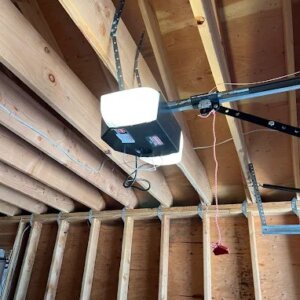
 If your garage door opener signal has been acting up lately—delayed responses, intermittent connectivity, or complete failure to open—you’re not alone. Many homeowners across New York City and Long Island face similar issues, especially in areas with high electronic interference or older garage door systems. At H&O Garage Doors, we understand how frustrating it can be when your garage door remote doesn’t work as expected. That’s why we’re here to help you learn how to improve garage door opener signal effectively and safely.
With over 15 years of experience in garage door repair and electric opener installation, our licensed professionals have seen it all. Whether it’s a weak remote signal, outdated garage door sensors, or interference from nearby devices, we offer practical solutions tailored to your needs. Improving your garage door opener signal not only enhances convenience but also boosts the overall security of your home or business.
As part of our mission to deliver high-quality garage door solutions, H&O Garage Doors provides expert services like remote control replacement, sensor alignment, and full system tune-ups. Our team is available 24/7 for emergency garage door services, ensuring that you’re never left stuck outside or inside your garage. Trust H&O Garage Doors—“Where Quality Meets Every Door”—to restore the reliability and performance of your garage door opener.
Identify Common Causes of Weak Garage Door Opener Signals
One of the most frustrating issues homeowners face with their garage door systems is a weak or unreliable opener signal. This problem can manifest in several ways, such as the remote control only working when very close to the door, intermittent operation, or complete failure to respond. Understanding the root causes of weak garage door opener signals is essential for resolving the issue effectively and ensuring smooth, consistent operation. Several common factors can contribute to signal interference or degradation, and identifying them is the first step toward improvement.
A primary cause of weak signals is radio frequency (RF) interference. Garage door openers typically operate on frequencies around 300 to 400 MHz, which can be disrupted by other electronic devices in or near your home. Common culprits include Wi-Fi routers, cordless phones, baby monitors, and even LED lighting systems. According to the Federal Communications Commission (FCC), overlapping frequencies can lead to significant signal interference, especially in densely populated areas where multiple devices are competing for bandwidth.
Another frequent issue is physical obstructions. Materials such as metal, concrete, and brick can block or weaken RF signals. If your garage is surrounded by thick walls or if the opener is installed in a metal enclosure, the signal may struggle to reach the receiver. Additionally, large vehicles or storage items placed between the opener and the remote can also obstruct the signal path.
Battery problems in the remote control are another simple yet often overlooked cause. Weak or dying batteries can significantly reduce the strength of the signal being transmitted. It’s advisable to replace the batteries regularly and ensure they are installed correctly. Similarly, a malfunctioning remote or wall switch can also be to blame. Over time, internal components may wear out or become damaged, leading to inconsistent performance.
Aging or outdated garage door opener units may also contribute to signal issues. Older models may not be compatible with newer remote technologies or may lack the power to transmit signals effectively over longer distances. Upgrading to a modern opener with enhanced range and security features can often resolve these problems. For more information on upgrading your system, visit our garage door installation near me page.
Environmental factors also play a role. Weather conditions such as heavy rain, snow, or extreme temperatures can affect the performance of electronic components and reduce signal strength. In some cases, pests like rodents or insects may damage wiring or nest inside the opener unit, leading to electrical issues that impair signal transmission.
In addition, improper installation or misalignment of the antenna on the garage door opener can lead to poor signal reception. The antenna should be fully extended and positioned vertically for optimal performance. If it is bent, broken, or obstructed, the signal may not reach the receiver effectively.
To summarize, here are some of the most common causes of weak garage door opener signals:
- Radio frequency interference from nearby electronic devices
- Physical obstructions such as walls, vehicles, or storage items
- Weak or dead batteries in the remote control
- Malfunctioning or outdated remote controls and wall switches
- Aging or incompatible garage door opener units
- Environmental conditions affecting electronic performance
- Improper antenna positioning or damage
“According to a report by the International Door Association, nearly 30 percent of garage door opener issues are related to signal interference or remote control malfunctions.”
If you suspect any of these issues, it’s important to conduct a thorough inspection or consult a professional technician. Our team at HO Garage Door Repair offers comprehensive garage door services to diagnose and resolve signal problems efficiently. You can also explore our about page to learn more about our experience and commitment to quality service.
For further reading on garage door opener signal issues and solutions, consider these resources:
- FCC Guide on Interference from Electronic Devices
- International Door Association
- Home Depot: How to Program a Garage Door Remote
By identifying and addressing these common causes, you can significantly improve the performance and reliability of your garage door opener system.
Effective Solutions to Boost Your Garage Door Opener Range
One of the most common issues homeowners face with their garage door systems is a weak or inconsistent opener signal. Fortunately, there are several effective solutions to enhance the range and reliability of your garage door opener signal. First, ensure that the opener’s antenna is fully extended and positioned vertically. A bent or obstructed antenna can significantly reduce signal strength. Next, consider replacing the battery in your remote control, as a weak battery can limit the signal’s reach. If the problem persists, upgrading to a newer remote or opener model with advanced frequency technology may be beneficial. Modern openers often operate on dual-frequency systems that automatically switch to avoid interference, providing a more stable connection.
Another practical solution is to reduce sources of interference. Devices such as Wi-Fi routers, LED lights, and other wireless electronics can disrupt the signal. Try relocating these devices or switching to garage-compatible LED bulbs that emit less interference. Additionally, installing a signal booster or repeater can extend the range of your remote, especially in larger properties or homes with thick walls. These devices amplify the signal between the remote and the opener, ensuring consistent performance even from a distance.
For those experiencing persistent issues, professional assistance may be necessary. A technician can inspect the system for underlying problems such as faulty wiring, outdated components, or physical obstructions. Regular maintenance checks can also prevent signal issues before they arise. If you’re unsure where to start, explore our comprehensive garage door services to find the right solution for your needs. Whether it’s a minor adjustment or a complete system upgrade, expert help ensures your garage door operates smoothly and efficiently.
In some cases, the problem may lie with the garage door opener itself. Older models may not be compatible with newer remote technologies or may lack the power to transmit signals effectively. Upgrading to a modern opener with smart technology can not only improve signal range but also offer added convenience through smartphone integration and remote monitoring. If you’re considering a new installation, our team specializes in garage door installation and can help you choose the best model for your home.
Ultimately, improving your garage door opener signal involves a combination of troubleshooting, upgrading, and sometimes professional intervention. By addressing these factors, you can ensure that your garage door responds reliably every time, enhancing both convenience and security for your home.
In conclusion, improving your garage door opener signal doesn’t have to be a complicated task. By following simple steps such as replacing old batteries, checking for interference, repositioning the antenna, or even upgrading to a modern opener with better range, you can significantly enhance the performance and reliability of your garage door system. Regular maintenance and staying informed about the latest technology can also go a long way in ensuring your garage door operates smoothly and efficiently. With these tips, you’ll enjoy a stronger signal and the convenience of seamless garage access.