
Most homeowners only think about the garage door when something goes wrong: the door will not open, the car is
stuck, or the opener suddenly fails. In reality, your garage door is the largest moving object in your home and
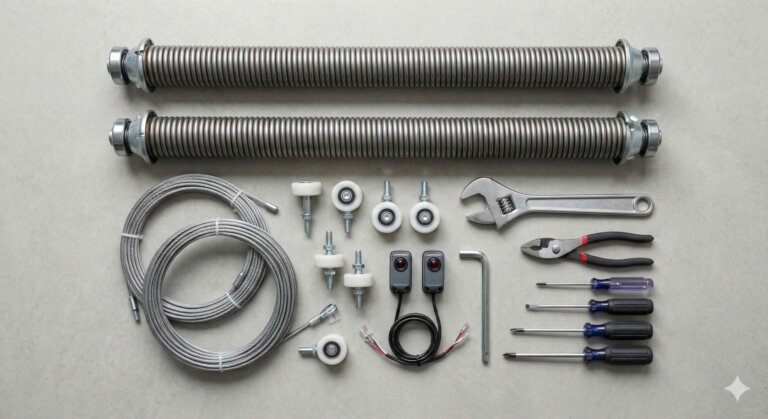
one of the heaviest – often weighing 150–300 pounds. It operates under high tension, with powerful springs,
cables, rollers, and an electric opener all working together.
Regular garage door safety inspections are not “nice to have” maintenance. They are a key part of home safety,
property protection, and cost control over the life of your system.
If you need a structured, professional check rather than DIY inspection, review our
garage door safety inspection service
options and how they are performed in the field.
Below are the main reasons routine inspections should be on your annual (or even semi-annual) home maintenance list.
1. Prevent Serious Injuries and Accidents
A poorly maintained garage door can become a real hazard. The most common risks include:
- Springs snapping under high tension
- Cables fraying or breaking
- Doors dropping too quickly or slamming shut
- Safety sensors failing and not reversing when something is under the door
During a professional garage door safety inspection, a trained technician checks:
- Spring condition and tension
- Cable integrity
- Door balance (whether it stays in place when partially open)
- Photo-eye safety sensors and auto-reverse functions
Catching a failing spring or a damaged cable during an inspection is far better than discovering it when the door
suddenly falls or refuses to open.
Want to see real-world inspection checklists? Review the structure of our
Long Island safety inspections
and
Manhasset safety inspection service
.
2. Avoid Emergency Breakdowns and Costly Repairs
Emergency garage door failures are almost always more expensive than planned maintenance.
Typical “middle of the day” or “late at night” breakdowns include:
- Broken torsion or extension springs
- Doors off track after binding or hitting an obstruction
- Opener motors burning out from lifting an unbalanced door
- Safety sensors failing and preventing the door from closing
Regular inspections help you:
- Replace worn springs before they snap
- Correct track misalignment before the door jumps the track
- Spot frayed cables before they fail
- Adjust opener force so the motor is not overworked
In many cases, a modestly priced inspection and tune-up can prevent a much larger emergency bill later.
For homeowners looking for a full tune-up with inspection, see our pages on
garage door maintenance in Five Towns
or
Long Beach maintenance & tune-up service
.
3. Extend the Life of Springs, Rollers, and the Opener
Every time your garage door opens and closes, it uses up one “cycle” on its components. Over time:
- Springs fatigue
- Rollers wear flat spots or lose bearings
- Hinges loosen
- Openers work harder if the door is out of balance
A good inspection goes beyond just looking for obvious damage. It typically includes:
- Measuring and adjusting spring tension
- Checking door balance and making corrections
- Inspecting rollers and recommending replacement when they are worn
- Tightening hinges, brackets, and track fasteners
- Lubricating moving parts with the correct products
The result: springs often last longer than they would without maintenance, and opener motors don’t burn out
prematurely from lifting a door that is too heavy or binding.
4. Improve Home Security
Your garage is often a primary entry point into your home. A door that does not close properly or stay fully shut
can be a security risk.
Regular inspections help identify:
- Gaps between the door and floor that could be exploited
- Misaligned tracks or bent panels causing incomplete closing
- Failing locks or manual latches
- Outdated openers without rolling-code technology or modern security features
If your inspection reveals more serious structural or security issues, a service provider can recommend repair or
replacement options.
You can see the range of corrective work typically offered on our
garage door repair
and
New York garage door service
pages.
5. Quieter, Smoother Daily Operation
Most people get used to a noisy, jerky garage door – until they experience a properly tuned system.
Inspections and maintenance often:
- Replace noisy metal rollers with quiet nylon rollers
- Lubricate dry hinges and bearings
- Correct track rubbing and binding
- Adjust opener speed and force settings
The difference can be dramatic: fewer rattles, less vibration, and a smoother, more professional feel every time
the door operates.
6. Better Performance in Harsh Weather
In many regions, temperature swings, humidity, salt air, and winter conditions all affect how well a garage door
works. Regular inspections help your system adapt to the environment by:
- Checking for rust and corrosion on springs, cables, and hardware
- Inspecting and replacing worn bottom seals and weather stripping
- Verifying that tracks are clean and free of ice, debris, or buildup
- Adjusting spring tension and opener settings seasonally if needed
This is especially important in coastal areas or harsh winter climates, where doors work harder and components wear
faster.
7. Support for Warranties, Insurance, and Resale Value
Documented maintenance can support you in several ways:
- Manufacturer warranties – Some warranties expect regular inspection and upkeep.
- Insurance claims – It is easier to show that damage was sudden and accidental if you can
demonstrate the door was properly maintained. - Home sale inspections – Home inspectors increasingly test garage door safety features. A recent
inspection report can avoid last-minute repair demands from buyers.
Keeping a simple file with inspection dates, technician notes, and any replaced components can pay off later.
What a Professional Garage Door Inspection Usually Includes
While details vary by company, a standard professional inspection often covers:
- Door structure – Panels, hinges, and overall condition
- Tracks and hardware – Alignment, fasteners, and any signs of rubbing or damage
- Springs and cables – Wear, corrosion, and correct tension
- Rollers and bearings – Wear, noise, and smooth rotation
- Balance test – Door behavior when partially open and disconnected from opener
- Opener system – Motor, rail, chain/belt, brackets, and wiring
- Safety features – Photo-eye sensors, auto-reverse function, emergency release
- Weather seals – Bottom seal and perimeter weather stripping
Many providers bundle this into a tune-up service that also includes lubrication and minor adjustments.
You can see concrete examples of how such inspections are structured here:
Long Island garage door safety inspection
and
Manhasset inspection overview
.
How Often Should You Schedule an Inspection?
There is no single rule for every home, but good general guidelines are:
- Once a year for typical residential use (2–4 cycles per day)
- Twice a year if:
- the door is used heavily (5+ cycles per day),
- the home is in a harsh or coastal climate, or
- the door is older (15+ years).
- Immediately if you notice:
- loud new noises (popping, grinding, scraping),
- the door moving unevenly or jerking,
- the door not reversing when something is in its path,
- visible gaps in springs or frayed cables.
If you are searching for a “garage door inspection near me,” look for companies that combine a clear safety
checklist with transparent pricing and written findings.
What You Can Check Yourself vs. What to Leave to Pros
Homeowners can (and should) do simple visual checks monthly:
- Look for rust, fraying cables, or obvious damage
- Listen for new, unusual noises
- Test the photo-eye sensors by placing an object in the door’s path
- Watch how the door moves – smooth and straight, or jerky and crooked?
However, certain tasks should be left to trained technicians:
- Adjusting or replacing torsion and extension springs
- Correcting serious track misalignment or off-track doors
- Major cable repairs
- Advanced opener diagnostics or rewiring
DIY mistakes on springs or cables can lead to severe injury or significant property damage. A scheduled
professional inspection is far safer and usually more economical in the long run.
When an Inspection Finds a Problem
If an inspection reveals worn or failing components, it does not automatically mean you need a new door. In many
cases, targeted repair is enough:
- Spring replacement
- Cable replacement
- Roller upgrade
- Track repair or realignment
- Opener repair or replacement
If you want to see typical repair scenarios and solutions, review our main
garage door repair services
and the overview of
all garage door services in New York
.
Bottom Line: Regular Inspections Pay for Themselves
A garage door safety inspection is one of those rare home maintenance items that improves
safety, reliability, and long-term cost all at once:
- Fewer accidents and injuries
- Fewer surprise breakdowns
- Longer life for springs, rollers, and the opener
- Better security and weather protection
- Smoother, quieter daily operation
the smartest, most cost-effective ways to protect both your garage door investment and your family.