
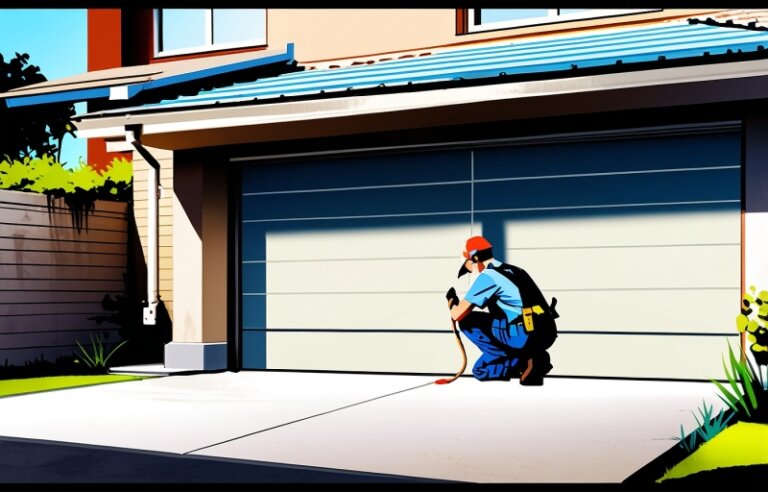
Water damage in your garage can lead to costly repairs, structural issues, and even mold growth if not addressed promptly. Knowing how to prevent garage door water damage is essential for maintaining the integrity of your home and protecting your belongings. At H&O New York Garage Door Repair, where quality meets every door, we understand the importance of keeping your garage dry and secure. As a licensed, bonded, and insured company, we offer same-day emergency service and guarantee all parts and labor, ensuring peace of mind for every homeowner. Whether you’re dealing with heavy rain, melting snow, or poor drainage, taking proactive steps like sealing your garage door, installing proper weather stripping, and maintaining your drainage system can make all the difference. Learn how to safeguard your garage from water intrusion and keep your property in top condition with these expert tips.
Inspect and Maintain Garage Door Seals Regularly
One of the most effective ways to prevent water damage in your garage is by ensuring that the door seals are in optimal condition. Garage door seals, including the bottom seal, threshold seal, and weather stripping along the sides and top, act as a barrier against rainwater, snow, and debris. Over time, these seals can wear out, crack, or become misaligned, allowing moisture to seep into your garage and potentially cause structural damage, mold growth, or damage to stored items.
Regular inspection and maintenance of these seals are essential to keeping your garage dry and protected. Begin by visually inspecting the seals every few months, especially after extreme weather conditions. Look for signs of wear such as cracks, brittleness, or gaps between the seal and the floor or door frame. If you notice any of these issues, it may be time to replace the seal.
According to the International Association of Certified Home Inspectors, “garage door weather stripping should be checked at least twice a year to ensure it is intact and functioning properly.” This simple habit can save homeowners from costly repairs due to water intrusion.
When inspecting your garage door seals, follow these steps:
- Close the garage door and check for visible light coming through the bottom or sides. If light is visible, water can likely enter as well.
- Feel for drafts or moisture near the edges of the door during or after rainfall.
- Clean the seals regularly to remove dirt and debris that can degrade the material over time.
- Lubricate rubber seals with a silicone-based lubricant to maintain flexibility and prolong their lifespan.
- Replace any damaged or worn-out seals promptly with high-quality, weather-resistant materials.
It’s also important to ensure that the garage floor is level and free from cracks or uneven surfaces that could compromise the effectiveness of the seals. In some cases, installing a garage door threshold seal can provide an extra layer of protection by creating a raised barrier that prevents water from flowing into the garage.
“A properly sealed garage door can reduce the risk of water damage by up to 80 percent,” notes a report from the Insurance Institute for Business & Home Safety.
For homeowners in areas prone to heavy rain or snow, investing in professional garage door services can ensure that seals are installed correctly and maintained regularly. Professionals can also identify underlying issues such as misaligned doors or damaged tracks that may affect the seal’s performance.
If you’re unsure about the condition of your garage door seals or need assistance with replacement, consider reaching out to a trusted local expert. At HO Garage Door Repair, we offer comprehensive garage door repair solutions, including seal inspections and replacements tailored to your specific needs.
For more information on how to protect your garage from water damage, visit our blog or check out our FAQs for answers to common questions. You can also learn more about our team and services by visiting our about page.
External resources such as the U.S. Department of Energy also provide valuable insights into weatherproofing your home, including garage door sealing techniques. You can explore their recommendations at https://www.energy.gov/energysaver/weatherize/air-sealing-your-home.
By staying proactive with seal inspections and maintenance, you can significantly reduce the risk of water damage and extend the life of your garage door system.
Install a Proper Drainage System Around the Garage
One of the most effective ways to prevent water damage to your garage door is by ensuring a well-designed drainage system is installed around the structure. Water accumulation near the garage can lead to long-term issues such as wood rot, mold growth, foundation weakening, and corrosion of metal components. A proper drainage system helps redirect rainwater, melting snow, and runoff away from the garage, preserving both the door and the surrounding foundation. Start by evaluating the slope of the ground around your garage. Ideally, the terrain should slope away from the structure to naturally guide water away. If the grading is incorrect, consider regrading the area or installing a French drain system. French drains consist of a perforated pipe laid in a gravel-filled trench that collects and redirects water away from the garage. This is especially useful in areas prone to heavy rainfall or poor soil drainage.
Another essential component is the installation of gutters and downspouts. These systems collect rainwater from the roof and channel it away from the garage base. Ensure that downspouts extend several feet away from the foundation or connect them to underground drainage pipes to prevent pooling near the garage door. Regular maintenance of gutters is also crucial. Leaves, debris, and dirt can clog the system, causing overflow and water damage. Cleaning them at least twice a year, especially in the fall and spring, can help maintain optimal function.
In addition to external drainage, consider installing trench drains directly in front of the garage door. These drains are embedded in the concrete and are designed to catch surface water before it enters the garage. They are particularly effective in driveways that slope toward the garage. Trench drains come with grates that can be easily removed for cleaning, making them a low-maintenance yet highly efficient solution.
For homeowners in areas with frequent storms or high water tables, sump pumps can be an added layer of protection. Installed in a pit inside the garage or basement, sump pumps automatically remove water that accumulates and discharge it safely away from the property. This is especially beneficial for garages that are below grade or have a history of flooding.
Proper sealing of the garage floor and walls can also enhance the effectiveness of your drainage system. Waterproof sealants prevent moisture from seeping through concrete, which can lead to cracks and structural damage over time. Additionally, installing weather stripping at the bottom of the garage door can help block minor water intrusion during heavy rains.
If you are unsure about the best drainage solution for your garage, consulting with a professional can provide clarity. Experts can assess your property’s specific needs and recommend the most effective systems. For more information about available services, visit our garage door services page or learn more about our team on the about page.
By investing in a proper drainage system, you not only protect your garage door from water damage but also extend its lifespan and maintain the structural integrity of your home. Taking proactive steps today can save you from costly repairs and ensure your garage remains dry and functional year-round.
Use Weatherproof Materials for Garage Flooring
One of the most effective ways to prevent water damage in your garage is by investing in weatherproof materials for the flooring. Garage floors are constantly exposed to moisture from rain, snow, and even humidity, which can seep through cracks and lead to long-term structural issues. Choosing the right flooring materials not only enhances durability but also acts as a barrier against water infiltration. Epoxy coatings, for example, are a popular choice due to their water-resistant properties and ability to seal the concrete surface. These coatings create a non-porous layer that prevents water from penetrating the floor, reducing the risk of mold, mildew, and corrosion.
Another excellent option is interlocking PVC or rubber tiles, which are designed to withstand heavy loads and resist water absorption. These tiles are easy to install and replace, making them a practical solution for homeowners looking to upgrade their garage flooring without extensive renovation. Additionally, they provide a slip-resistant surface, improving safety during wet conditions. For those who prefer a more permanent solution, sealed concrete with a waterproof membrane can offer long-lasting protection. This method involves applying a sealant that penetrates the concrete and forms a moisture-resistant barrier, effectively preventing water from seeping through.
Proper drainage is also crucial when considering weatherproof flooring. Sloping the garage floor slightly toward the entrance or a floor drain ensures that water flows away from the interior, minimizing the risk of pooling. Combining this with high-quality weatherproof materials creates a comprehensive defense against water damage. It’s also wise to inspect the floor regularly for cracks or signs of wear and address them promptly to maintain the integrity of the waterproofing system.
In addition to protecting your garage from water damage, weatherproof flooring can enhance the overall appearance and functionality of the space. A clean, dry, and well-maintained floor makes the garage more usable for storage, workshops, or even as an extension of your living area. It also adds value to your home by demonstrating attention to detail and proactive maintenance.
If you’re unsure about the best flooring solution for your garage, consider consulting with professionals who specialize in garage door services. They can assess your specific needs and recommend materials that align with your climate and usage patterns. For more information on how to protect your garage from water damage and other related concerns, visit our FAQs page or explore our wide range of services tailored to keep your garage in top condition. Taking the time to invest in weatherproof flooring now can save you from costly repairs and headaches in the future.
Ensure Proper Garage Door Alignment
One of the most overlooked yet crucial steps in preventing garage door water damage is ensuring that your garage door is properly aligned. A misaligned garage door can create gaps between the door and the ground or frame, allowing rainwater, snow, and debris to seep into your garage. Over time, this can lead to water damage, mold growth, and even structural issues. Proper alignment ensures a tight seal, keeping your garage dry and protected from the elements.
Garage doors can become misaligned for several reasons, including regular wear and tear, accidental impacts, or issues with the tracks and rollers. When the door is not level or doesn’t close evenly, it compromises the weather seal at the bottom, which is your first line of defense against water intrusion. To check for alignment issues, observe how the door moves when opening and closing. If it jerks, makes unusual noises, or leaves a gap at the bottom, it’s likely misaligned and needs attention.
Regular maintenance and inspection can help identify alignment problems early. Homeowners should periodically check the tracks for bends or obstructions and ensure the rollers are in good condition. If you notice any signs of wear or damage, it’s best to consult a professional for a thorough inspection and repair. Our team at garage door repair services can help diagnose and fix alignment issues efficiently, preventing further complications and water damage.
Another important aspect of maintaining proper alignment is ensuring that the garage door opener is functioning correctly. An improperly calibrated opener can exert uneven pressure on the door, causing it to shift out of alignment over time. Routine checks and adjustments to the opener settings can help maintain the door’s balance and alignment. If you’re unsure how to perform these adjustments, our experienced technicians are available to assist you through our comprehensive garage door services.
In addition to mechanical checks, it’s also essential to inspect the weather stripping and bottom seal of the garage door. Even if the door is perfectly aligned, worn or damaged seals can still allow water to enter. Replacing these seals as part of your regular maintenance routine can enhance the door’s water resistance. When combined with proper alignment, a well-sealed garage door provides maximum protection against water damage.
For homeowners in areas prone to heavy rainfall or snow, it’s especially important to stay proactive. Misalignment can worsen quickly under the strain of harsh weather conditions, leading to more significant issues. Scheduling seasonal inspections can help catch and correct alignment problems before they escalate. If you’re located in New York or surrounding areas, our local experts are ready to provide timely and reliable service to keep your garage door in top condition.
Understanding the importance of garage door alignment and taking steps to maintain it can save you from costly repairs and water damage in the future. Whether you need a quick tune-up or a complete realignment, our team is here to help. Learn more about our company and commitment to quality service by visiting our about page. For any questions or to schedule a service, feel free to reach out through our contact page. Taking action today can ensure your garage remains dry, secure, and functional for years to come.
Apply Waterproof Coatings to Vulnerable Areas
One of the most effective ways to prevent garage door water damage is by applying waterproof coatings to areas that are particularly vulnerable to moisture intrusion. These coatings act as a protective barrier, sealing out water and preventing it from seeping into cracks, joints, and porous surfaces. Over time, exposure to rain, snow, and humidity can cause significant wear and tear on your garage door and its surrounding structures. Without proper protection, water can infiltrate the base of the door, the walls, and even the floor, leading to mold growth, wood rot, and structural damage. Applying a high-quality waterproof sealant is a proactive measure that can extend the life of your garage and maintain its functionality.
Start by identifying the areas most susceptible to water exposure. These typically include the bottom edge of the garage door, the threshold where the door meets the ground, and any seams or joints in the surrounding walls. If your garage has windows, make sure the frames are properly sealed as well. Before applying any waterproof coating, thoroughly clean the surfaces to remove dirt, debris, and old paint or sealant. This ensures better adhesion and long-lasting protection. Once the area is clean and dry, apply a waterproof coating specifically designed for exterior use. Products like elastomeric sealants or rubberized coatings are ideal because they remain flexible and can withstand temperature fluctuations without cracking.
In addition to sealing the garage door itself, consider applying waterproof coatings to the garage floor. Concrete is naturally porous and can absorb water, leading to cracks and deterioration over time. A waterproof epoxy or polyurethane floor coating not only protects the surface but also makes it easier to clean and maintain. This is especially important if your garage is used for storage or as a workspace, where moisture can damage tools, equipment, and other belongings.
Regular maintenance is key to ensuring the effectiveness of waterproof coatings. Inspect the sealed areas at least once a year, especially after heavy storms or seasonal changes. Look for signs of peeling, cracking, or discoloration, which may indicate that the coating needs to be reapplied. Keeping up with these inspections can help you catch potential issues early and avoid costly repairs down the line.
For homeowners in areas prone to heavy rainfall or snow, investing in professional waterproofing services can offer peace of mind. A qualified technician can assess your garage for vulnerabilities and recommend the best products and application methods. If you are unsure where to start, consider exploring our range of garage door services to find the right solution for your needs. Our team is experienced in identifying problem areas and applying durable waterproof coatings that stand the test of time.
Additionally, if you are planning a new installation or renovation, incorporating waterproofing into the initial design can save you time and money in the future. Our garage door installation experts can help you choose materials and finishes that offer superior water resistance and long-term durability.
In conclusion, applying waterproof coatings to vulnerable areas is a smart and effective strategy to prevent garage door water damage. It not only protects your property from the harmful effects of moisture but also enhances the overall longevity and performance of your garage. By taking the time to seal and maintain these critical areas, you can ensure that your garage remains dry, safe, and functional throughout the year.
Elevate Stored Items to Avoid Water Contact
One of the most effective ways to prevent garage door water damage is by ensuring that your stored items are elevated off the ground. Garages are particularly vulnerable to water intrusion, especially during heavy rainfall, snowmelt, or plumbing issues. When water seeps in through the bottom of the garage door or from other entry points, anything stored directly on the floor is at risk of becoming water-damaged. Elevating your belongings not only protects them from potential flooding but also helps maintain a cleaner and more organized space.
Start by using sturdy shelving units or wall-mounted racks to keep items like tools, boxes, and seasonal decorations off the ground. Plastic or metal shelves are ideal because they are resistant to moisture and easy to clean. Avoid using wooden shelves unless they are treated for moisture resistance, as untreated wood can warp or rot when exposed to damp conditions. For heavier items, consider using pallets or raised platforms that allow air circulation underneath, reducing the chance of mold and mildew growth.
Plastic storage bins with tight-fitting lids are another excellent option for safeguarding your belongings. These containers provide an added layer of protection against moisture and pests. Labeling each bin can also help you stay organized while ensuring that you can quickly locate items when needed. Be sure to store important documents, electronics, and other sensitive materials in waterproof containers or move them to a safer location inside your home.
In addition to elevating stored items, it’s important to regularly inspect your garage for signs of water intrusion. Check the base of the garage door for any gaps or worn-out weather stripping that could allow water to seep in. Replacing damaged seals and installing a garage door threshold seal can significantly reduce the risk of water entering your garage. If you notice persistent water issues, it may be time to consult a professional for a thorough inspection and repair. Our team offers comprehensive garage door repair services to address any issues that may compromise your garage’s protection.
Proper drainage around your garage is also crucial. Ensure that the ground slopes away from the structure and that gutters and downspouts are functioning correctly. Clogged or broken gutters can lead to water pooling near the garage, increasing the likelihood of seepage. Regular maintenance of these systems can go a long way in preventing water damage. If you’re unsure about the condition of your drainage or garage door system, consider scheduling a professional inspection through our request-a-service page.
For homeowners who use their garage as a workspace or storage area for valuable items, taking these preventive measures is essential. Water damage can lead to costly repairs and the loss of irreplaceable belongings. By elevating stored items and maintaining your garage’s structural integrity, you can protect your investment and ensure a dry, functional space year-round. Whether you need help with installation, maintenance, or emergency repairs, our experienced technicians are here to help. Learn more about our full range of garage door services to keep your garage safe and secure.
Schedule Routine Professional Inspections
One of the most effective ways to prevent garage door water damage is by ensuring your garage door system is regularly inspected by a professional. While many homeowners focus on visible signs of wear and tear, underlying issues often go unnoticed until they result in costly repairs or significant water intrusion. Routine professional inspections help identify potential vulnerabilities in your garage door system, such as worn-out weather stripping, misaligned tracks, or damaged seals, all of which can allow water to seep into your garage during heavy rain or snow.
A trained technician has the expertise to assess the condition of your garage door and its components, including the springs, cables, rollers, and the automatic opener system. These inspections are not only about mechanical functionality but also about ensuring that the door closes properly and forms a tight seal against the ground and frame. Even a small gap can allow water to enter, leading to mold growth, structural damage, and deterioration of stored items. By catching these issues early, you can avoid the inconvenience and expense of emergency repairs.
Additionally, professional inspections often include a check of the drainage systems around your garage. Technicians can advise if the slope of your driveway is contributing to water pooling near the door or if your gutters and downspouts are effectively diverting water away from the structure. These insights are invaluable in creating a comprehensive water damage prevention plan tailored to your specific property.
Scheduling regular inspections also ensures that your garage door complies with safety standards and operates efficiently year-round. This is particularly important in areas prone to extreme weather conditions, where seasonal changes can affect the performance of your garage door. For instance, freezing temperatures can cause rubber seals to crack, while excessive heat may warp certain materials. A professional can recommend seasonal maintenance tips and upgrades to enhance your garage door’s durability and resistance to water damage.
If you are unsure about how often to schedule these inspections, a good rule of thumb is to have your garage door professionally checked at least once a year. However, if your garage is exposed to harsh weather or if you notice any signs of malfunction, it’s wise to schedule an inspection sooner. Many reputable companies offer comprehensive garage door services that include inspections, maintenance, and repairs, making it easy to stay on top of your garage door’s condition.
Choosing a trusted local provider for these inspections is crucial. Look for companies with a strong reputation, transparent pricing, and a commitment to customer satisfaction. You can learn more about the services offered and the company’s background by visiting their about page. This will give you insight into their experience, areas of expertise, and customer service philosophy.
In conclusion, investing in routine professional inspections is a proactive step toward protecting your garage from water damage. It not only helps maintain the structural integrity of your garage door but also extends its lifespan and enhances your home’s overall safety. Don’t wait for a problem to arise—schedule an inspection today and enjoy peace of mind knowing your garage is well-protected against the elements.
In conclusion, preventing water damage to your garage door is essential for maintaining the integrity of your home and avoiding costly repairs. By taking proactive steps such as installing proper weather stripping, ensuring effective drainage, sealing cracks, and performing regular maintenance, you can protect your garage from moisture-related issues. Remember, a little effort now can save you significant time and money in the long run. Stay vigilant, and your garage door will remain in top condition, rain or shine.