
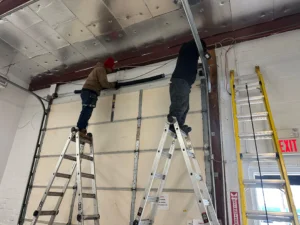
 Garage door sensor failures can be a major inconvenience, especially when they prevent your garage door from opening or closing properly. Understanding How to Prevent Garage Door Sensor FailuresHow to Prevent Garage Door Sensor issues is essential for maintaining the safety and functionality of your home. At H&O New York Garage Door Repair, where quality meets every door, we specialize in providing reliable, same-day emergency service to ensure your garage door operates smoothly year-round. As a licensed, bonded, and insured company, we stand behind our work with guaranteed parts and labor. In this guide, we’ll explore practical tips to help you avoid common garage door sensor issues, such as misalignment, dirt buildup, and wiring problems. Whether you’re dealing with a malfunctioning garage door opener or simply want to extend the life of your system, these preventative measures will help keep your garage door sensors in top condition. Don’t pass on these essential maintenance tips—protect your investment and ensure your garage door remains safe and efficient.
Understanding How Garage Door Sensors Work

Garage door sensors play a crucial role in ensuring the safety and functionality of your garage door system. These sensors are typically located near the bottom of the door tracks and work by transmitting an invisible infrared beam from one side to the other. When this beam is interrupted—by a person, pet, or object—the garage door automatically stops or reverses to prevent accidents or damage.
Understanding how these sensors operate is essential for preventing failures. The system relies on proper alignment, clean lenses, and uninterrupted power supply. Even minor issues like dust accumulation or slight misalignment can cause the sensors to malfunction. According to the U.S. Consumer Product Safety Commission, garage door sensors have significantly reduced injury risks since their mandatory implementation in 1993.
“A misaligned or dirty sensor is one of the most common causes of garage door malfunctions,” says the International Door Association.
To maintain optimal performance and avoid sensor failures, homeowners should:
- Regularly clean the sensor lenses with a soft cloth.
- Ensure both sensors are properly aligned and facing each other.
- Check for loose or damaged wiring connections.
- Test the sensors monthly by placing an object in the door’s path.
For more detailed maintenance tips, visit our garage door services page or explore our blog for expert advice.
If you’re experiencing issues, our team at HO Garage Door Repair offers professional garage door repair and sensor troubleshooting services. For further assistance, feel free to contact us.
For more technical insights, check out this guide from LiftMaster.
Common Causes of Sensor Malfunctions

Garage door sensor malfunctions can be frustrating and potentially hazardous, especially when they prevent your door from closing properly. Understanding the common causes of these issues is essential for maintaining a safe and functional garage door system. One of the most frequent culprits is misalignment. Sensors must face each other directly to function correctly, and even a slight shift can disrupt the signal. Dirt, dust, or spider webs accumulating on the sensor lenses can also block the infrared beam, leading to false readings or complete failure.
Wiring problems are another common issue. Over time, wires can become frayed, disconnected, or damaged due to weather conditions or rodent activity. Additionally, power surges or faulty electrical connections may cause sensors to stop working altogether. Environmental factors such as extreme temperatures or moisture can also impact sensor performance, especially in areas with high humidity or frequent rain.
Physical damage from accidental bumps or impacts can misalign or break the sensors, requiring immediate attention. Regular maintenance and timely repairs are crucial to avoid these problems. If you’re experiencing persistent issues, consider exploring our garage door repair or garage door services to ensure your system is operating safely and efficiently. Identifying and addressing these common causes early can help prevent costly repairs and extend the life of your garage door system.
Regular Cleaning and Maintenance Tips

To prevent garage door sensor failures, regular cleaning and maintenance are essential. Dust, dirt, and debris can accumulate on the sensors over time, obstructing the infrared beam and causing the system to malfunction. To avoid this, gently wipe the sensor lenses with a soft, dry cloth at least once a month. Avoid using harsh chemicals that could damage the sensor components.
In addition to cleaning, inspect the alignment of the sensors regularly. Misaligned sensors are a common cause of garage door issues. Ensure both sensors are facing each other directly and mounted at the same height. If the indicator lights on the sensors are blinking or off, it could signal a misalignment or wiring issue.
It’s also important to check the wiring for any signs of wear or corrosion. Damaged wires can disrupt the signal between the sensors and the garage door opener. If you notice any fraying or exposed wires, it’s best to consult a professional for repairs.
For comprehensive support, explore our full range of garage door services or learn more about our expert garage door repair solutions. Regular maintenance not only extends the life of your garage door system but also ensures the safety and reliability of its operation. Don’t wait for a failure—stay proactive with routine care.
Proper Alignment of Garage Door Sensors
Ensuring your garage door sensors are properly aligned is essential for maintaining a safe and fully functional garage door system. Misaligned sensors can cause the door to reverse unexpectedly or fail to close altogether, leading to inconvenience and potential safety hazards. These sensors, typically located at the base of the garage door tracks, must face each other directly with no obstructions in between. Even slight misalignment due to vibrations, accidental bumps, or weather conditions can disrupt their operation.
To prevent sensor failures, regularly inspect the sensor lights. A steady light usually indicates proper alignment, while a blinking light may signal a problem. Clean the lenses to remove dust or debris that could interfere with the infrared beam. If the sensors are not aligned, gently adjust them until both lights remain steady. It’s also a good idea to test the system by placing an object in the sensor’s path to ensure the door reverses as expected.
For homeowners seeking professional help, our expert team offers reliable garage door repair and garage door services to keep your system running smoothly. Proper alignment not only enhances safety but also extends the lifespan of your garage door components. Regular maintenance and timely adjustments can save you from costly repairs and ensure peace of mind.
Checking for Wiring and Electrical Issues
One of the most common causes of garage door sensor failures is faulty wiring or electrical issues. Over time, wires can become frayed, disconnected, or corroded due to exposure to moisture, pests, or general wear and tear. Regularly inspecting the wiring connected to your garage door sensors can help prevent unexpected malfunctions. Look for visible signs of damage such as exposed wires, loose connections, or burn marks near the terminals. If you notice any of these issues, it’s essential to address them immediately to avoid further complications.
In addition to visual inspections, ensure that the power supply to the sensors is stable. Fluctuations in voltage or a tripped circuit breaker can disrupt the sensor’s functionality. If your garage door is not responding properly, resetting the power or checking the breaker box might resolve the issue. For more complex electrical problems, it’s best to consult a professional technician who specializes in garage door repair.
Preventive maintenance is key to avoiding sensor failures. Scheduling routine check-ups through a trusted garage door services provider can help identify and fix wiring issues before they escalate. By staying proactive, you can ensure your garage door system operates safely and efficiently year-round.
When to Replace Faulty Sensors
Knowing when to replace faulty garage door sensors is essential for maintaining the safety and functionality of your garage door system. If your garage door is not closing properly, reverses unexpectedly, or the sensor lights are blinking or not illuminating at all, these are clear signs that the sensors may be malfunctioning. Dirt, misalignment, or wiring issues can sometimes be resolved with cleaning or minor adjustments. However, if these problems persist despite troubleshooting, it may be time to consider a replacement.
Older sensors, especially those over 10 years old, are more prone to failure due to wear and tear. Replacing them ensures your garage door operates reliably and safely, preventing accidents or damage. It’s also wise to upgrade to newer models that meet current safety standards and offer improved performance.
Professional inspection can help determine whether a repair or replacement is necessary. If you’re unsure, consider scheduling a service with a trusted technician. At H&O Garage Door Repair, we offer expert garage door services to help you maintain optimal sensor performance. For more information about our team and experience, visit our about page.
Timely sensor replacement not only enhances safety but also extends the lifespan of your entire garage door system. Don’t wait for a complete failure—act early to avoid costly repairs and ensure peace of mind.
Hiring a Professional for Sensor Inspection and Repair
When it comes to preventing garage door sensor failures, hiring a professional for inspection and repair is a smart and proactive step. Garage door sensors are critical for ensuring the safety and functionality of your door system. Over time, these sensors can become misaligned, dirty, or damaged, leading to operational issues or even safety hazards. A trained technician has the expertise to accurately diagnose sensor problems and perform precise repairs or replacements as needed.
Professional service providers use specialized tools and follow industry best practices to ensure your sensors are working optimally. They can also identify underlying issues that may not be immediately visible, such as wiring problems or interference from other devices. Regular inspections by a qualified expert can help extend the lifespan of your garage door system and prevent costly emergency repairs.
Choosing a trusted local company for your garage door repair needs ensures quality workmanship and peace of mind. Whether you need a one-time fix or ongoing maintenance, professionals offer tailored solutions to fit your specific requirements. For more information about available services, visit our services page or check out our about section to learn more about our team and experience. Don’t wait for a complete failure—schedule a professional inspection today to keep your garage door sensors in top condition.
In conclusion, preventing garage door sensor failures is all about regular maintenance, proper installation, and staying alert to early warning signs. By keeping the sensors clean, ensuring they are properly aligned, and checking for wiring issues or obstructions, you can significantly reduce the risk of malfunction. Additionally, scheduling periodic professional inspections can help catch potential problems before they become serious. With these simple yet effective steps, you can ensure your garage door operates safely and reliably for years to come.