
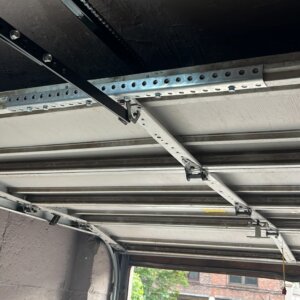
 Choosing the right garage door for rooftop access is a crucial decision that combines functionality, safety, and aesthetic appeal. Whether you’re upgrading your current setup or installing a new access point, selecting a garage door that meets your specific needs is essential for both convenience and security. At H&O New York Garage Door Repair, where quality meets every door, we understand the importance of finding a solution that fits your space and lifestyle. As a licensed, bonded, and insured company, we offer expert guidance and same-day emergency service to ensure your rooftop access garage door is installed with precision and care. With parts and labor guaranteed, you can trust us to deliver long-lasting results. In this guide, we’ll walk you through how to choose a garage door for rooftop access, considering key factors like durability, insulation, design, and safety features. Whether you’re looking for a modern rooftop garage door or a custom solution for limited space, we’ve got you covered. Don’t pass on making an informed choice—read on to discover the best options for your rooftop access needs.
Assessing Your Rooftop Access Needs
When planning to install a garage door for rooftop access, the first and most crucial step is to evaluate your specific access needs. This involves understanding how the rooftop will be used, the frequency of access, safety considerations, and the structural compatibility of your garage. Whether you’re using the rooftop for recreational purposes, solar panel maintenance, or as an emergency exit, each use case demands a tailored approach to garage door selection.
Start by identifying the primary purpose of your rooftop access. For instance, if the rooftop is intended for regular use—such as a rooftop garden, lounge, or workspace—you’ll need a garage door that offers ease of operation, durability, and weather resistance. On the other hand, if access is only occasional, such as for HVAC maintenance or inspections, a more basic model may suffice. According to the U.S. Department of Energy, proper access to rooftops is essential for maintaining energy-efficient systems like solar panels and HVAC units, which can reduce energy costs by up to 30 percent.
Next, consider the type of garage door that best suits your rooftop access. Roll-up doors, sectional doors, and tilt-up doors each offer unique benefits. Roll-up doors are ideal for limited space and frequent use, while sectional doors provide excellent insulation and security. Tilt-up doors, though less common, can be a cost-effective solution for infrequent access. Your choice should align with both your usage pattern and the architectural design of your building.
Another key factor is the frequency of access. If you anticipate daily or weekly use, investing in a high-quality, automated garage door system is advisable. Automation not only enhances convenience but also improves safety, especially when accessing elevated areas. For example, integrating smart garage door openers can allow remote operation and monitoring, reducing the risk of accidents or unauthorized entry.
Safety is paramount when dealing with rooftop access. Ensure that the garage door system includes essential safety features such as auto-reverse mechanisms, motion sensors, and manual override options. According to the National Safety Council, over 20,000 garage door-related injuries occur annually in the U.S., many of which are preventable with proper safety measures. Additionally, consider installing guardrails, non-slip surfaces, and adequate lighting around the rooftop entry point.
Structural compatibility is another critical aspect. Not all garages are designed to support rooftop access, so it’s essential to consult with a structural engineer or a professional garage door installer. They can assess whether your existing garage can accommodate the weight and mechanical components of a rooftop-access garage door. If modifications are needed, they can guide you through the necessary reinforcements.
Here are some examples of rooftop access needs and the corresponding garage door solutions:
- Rooftop Garden: Requires frequent access, weather-resistant sectional door with insulation.
- Solar Panel Maintenance: Occasional access, roll-up door with manual operation.
- Emergency Exit: Must be easy to open quickly, tilt-up door with safety release mechanism.
“Choosing the right garage door for rooftop access is not just about aesthetics or cost—it’s about ensuring functionality, safety, and long-term durability.”
To make an informed decision, it’s advisable to consult with professionals who specialize in garage door systems. At HOA Garage Door Repair, we offer comprehensive assessments to help you determine the best solution for your unique needs. Our team can evaluate your garage structure, recommend suitable door types, and ensure compliance with local building codes.
For more information about our services and how we can assist with your rooftop access project, visit our About page or explore our range of garage door installation options. You can also check out this helpful guide from the International Association of Certified Home Inspectors on garage door safety and standards.
By thoroughly assessing your rooftop access needs, you can ensure that your garage door installation is not only functional but also enhances the safety and usability of your rooftop space.
Understanding Different Types of Garage Doors
When selecting a garage door for rooftop access, understanding the various types available is essential to making an informed decision that balances functionality, aesthetics, and safety. Unlike traditional garage doors, those designed for rooftop access must meet specific structural and operational requirements. These doors often serve dual purposes—providing secure access to the rooftop while maintaining the integrity of the building’s design. The most common types of garage doors suitable for rooftop access include sectional, roll-up, tilt-up, and side-hinged doors, each offering unique benefits depending on the architectural layout and usage needs.
Sectional garage doors are among the most popular choices due to their space-saving design and durability. These doors are made up of panel sections connected with hinges, allowing them to bend and move along a vertical track when opened. This feature makes them ideal for rooftop access points where space may be limited. Sectional doors can be insulated, which is beneficial for energy efficiency and noise reduction—important factors in urban environments or multi-use buildings.
Roll-up garage doors are another excellent option, especially for commercial or industrial buildings with rooftop access. These doors consist of narrow slats that roll into a coil above the opening, making them highly compact and efficient. Their robust construction makes them suitable for high-security applications and areas exposed to harsh weather conditions. Roll-up doors are often used in conjunction with automated systems, enhancing convenience and safety. For more information on professional installation, visit our garage door installation near me page.
Tilt-up garage doors, including canopy and retractable styles, offer a more traditional look. These doors are made from a single solid piece and tilt outward before lifting up into the ceiling space. While they require more clearance to operate, they can be customized to match the building’s exterior, making them a good choice for residential properties with rooftop patios or gardens. However, due to their design, tilt-up doors may not be the best option for buildings with limited exterior space.
Side-hinged garage doors open outward like traditional doors and are typically used in settings where frequent pedestrian access is needed. These doors are easy to operate and can be customized with various materials and finishes. For rooftop access, side-hinged doors can be particularly useful when the access point is more like a standard doorway than a vehicle entrance. They also offer the advantage of minimal mechanical components, which can reduce maintenance needs over time.
In addition to the door type, material selection plays a crucial role in performance and longevity. Steel doors are known for their strength and security, while aluminum offers a lightweight and rust-resistant alternative. Wooden doors provide a classic appearance but may require more maintenance, especially in areas exposed to the elements. Composite materials are also gaining popularity for their durability and low upkeep.
When choosing a garage door for rooftop access, it’s also important to consider insulation, weather sealing, and security features. Insulated doors help regulate temperature and reduce energy costs, while weather seals protect against rain, wind, and debris. Security enhancements such as smart locks, motion sensors, and reinforced panels can provide peace of mind, especially in urban settings.
Professional guidance is invaluable when selecting and installing a garage door for rooftop access. A qualified technician can assess your specific needs, recommend suitable options, and ensure proper installation. To learn more about our offerings, check out our comprehensive garage door services or explore our about page to understand our commitment to quality and customer satisfaction.
Ultimately, the right garage door for rooftop access should align with your building’s design, usage requirements, and safety standards. By understanding the different types of garage doors and their respective advantages, you can make a well-informed choice that enhances both functionality and curb appeal.
Evaluating Material Options for Durability and Weather Resistance
When selecting a garage door for rooftop access, one of the most critical factors to consider is the material of the door. The material directly impacts the door’s durability, weather resistance, and overall performance, especially in areas exposed to harsh environmental conditions. Since rooftop garage doors are more susceptible to wind, rain, snow, and UV exposure, choosing the right material ensures long-term functionality and minimal maintenance. Common materials used for garage doors include steel, aluminum, wood, fiberglass, and composite. Each has its own advantages and limitations, making it essential to evaluate them based on your specific needs and local climate.
Steel is one of the most popular choices due to its strength and resistance to warping or cracking. It is ideal for rooftop applications where security and durability are top priorities. Steel doors often come with a galvanized coating and can be finished with weather-resistant paint to prevent rust and corrosion. Insulated steel doors also offer excellent thermal efficiency, which is beneficial if the rooftop space is connected to a living area. However, steel can be prone to dents and may require occasional maintenance to keep it looking new.
Aluminum is another lightweight and corrosion-resistant option, making it suitable for rooftop installations where weight might be a concern. Aluminum doors are less likely to rust, which is particularly advantageous in coastal or humid environments. They can also be customized with glass panels to allow natural light into the space. However, aluminum is softer than steel and may dent more easily, so it might not be the best choice in areas with frequent hail or heavy debris.
Wood garage doors offer a classic and natural aesthetic that can enhance the architectural appeal of your home. They provide good insulation and can be customized in various styles and finishes. However, wood requires regular maintenance, including sealing and painting, to protect it from moisture, UV rays, and temperature fluctuations. For rooftop access, where exposure to the elements is more intense, wood may not be the most practical option unless you are committed to ongoing upkeep.
Fiberglass and composite materials are increasingly popular for their ability to mimic the look of wood while offering superior resistance to weather and wear. Fiberglass is lightweight, resistant to salt air, and does not warp or crack easily. Composite doors, made from a blend of wood fibers and synthetic materials, offer the strength of steel and the appearance of wood without the high maintenance. These materials are excellent for rooftop garage doors as they can withstand extreme weather conditions and require minimal upkeep.
In addition to material selection, it is important to consider the door’s insulation properties and sealing systems. Proper insulation helps regulate temperature and reduces energy costs, especially if the rooftop area is used as a living or working space. Weather seals and bottom seals prevent water, dust, and pests from entering, enhancing the door’s overall performance and longevity.
When evaluating material options, also consider the local climate and environmental factors. For example, in areas with heavy snowfall or high winds, reinforced steel or insulated composite doors may be the best choice. In coastal regions, aluminum or fiberglass can offer better resistance to salt and humidity. Consulting with a professional can help you determine the most suitable material based on your location and usage needs.
For more information on choosing the right garage door material and ensuring proper installation, visit our services page. If you’re interested in learning more about our team and expertise, check out our about section. Selecting the right material is a crucial step in ensuring your rooftop garage door remains durable, weather-resistant, and functional for years to come.
Considering Insulation and Energy Efficiency
When selecting a garage door for rooftop access, one of the most crucial yet often overlooked factors is insulation and energy efficiency. Since rooftop-access garage doors are typically installed in areas exposed to varying weather conditions, ensuring proper insulation is essential for maintaining indoor comfort and reducing energy costs. A well-insulated garage door acts as a barrier against external temperatures, helping to regulate the internal climate of the building. This is particularly important if the rooftop area is used as a living space, office, or recreational zone, where temperature control directly impacts comfort and usability.
Insulated garage doors are constructed with materials such as polyurethane or polystyrene, which are inserted between steel or aluminum panels to create a thermal barrier. Polyurethane insulation, in particular, offers a higher R-value, meaning it provides better thermal resistance. This is beneficial in both hot and cold climates, as it minimizes heat transfer and helps maintain a consistent indoor temperature. For buildings in urban environments like New York, where rooftop access is common and weather conditions can be extreme, investing in a high R-value garage door can significantly improve energy efficiency and reduce heating and cooling expenses.
Another advantage of insulated garage doors is their ability to reduce noise. Rooftop areas often experience more exposure to environmental noise such as wind, traffic, and nearby construction. An insulated door can dampen these sounds, creating a quieter and more peaceful indoor environment. This is especially valuable for residential buildings or commercial spaces where noise reduction contributes to overall comfort and productivity.
In addition to insulation, the sealing system of the garage door plays a vital role in energy efficiency. Look for doors that come with weather stripping along the edges and bottom seals to prevent drafts, moisture, and dust from entering the space. A tight seal enhances the door’s insulating properties and protects the interior from external elements. This is particularly important for rooftop-access doors, which are more susceptible to wind and rain exposure due to their elevated position.
Material choice also influences insulation and energy efficiency. Steel doors with foam insulation are among the most energy-efficient options, offering durability and excellent thermal performance. Aluminum doors, while lightweight and corrosion-resistant, may require additional insulation to match the energy-saving capabilities of steel. Wood doors, though aesthetically pleasing, generally offer lower insulation unless specially treated or constructed with insulating cores.
For those considering a rooftop-access garage door as part of a larger renovation or new construction project, it is advisable to consult professionals who specialize in garage door installation. They can assess your specific needs and recommend the best insulation options based on your building’s location, usage, and climate conditions. Additionally, regular maintenance is key to preserving the energy efficiency of your garage door. Over time, seals can wear out, and insulation can degrade, so scheduling periodic inspections and tune-ups is essential. You can explore more about these services through our garage door services page.
Ultimately, choosing an energy-efficient and well-insulated garage door for rooftop access is a smart investment that pays off in comfort, cost savings, and long-term performance. It not only enhances the usability of your rooftop space but also contributes to a more sustainable and energy-conscious building design. Whether you are upgrading an existing door or installing a new one, prioritizing insulation and energy efficiency will ensure that your rooftop-access garage door meets both functional and environmental standards.
Safety and Security Features to Look For
When selecting a garage door for rooftop access, prioritizing safety and security features is essential to protect both your property and the people using the space. Rooftop-access garage doors are often exposed to unique environmental conditions and may be more vulnerable to unauthorized access due to their elevated and sometimes less-visible location. Therefore, choosing a door with robust safety mechanisms and advanced security technologies is crucial for peace of mind and long-term functionality.
One of the most important safety features to consider is the presence of an automatic reversal system. This mechanism detects obstructions in the path of the closing door and automatically reverses its direction to prevent accidents or injuries. This is especially vital in residential or commercial buildings where rooftop access may be used frequently. Additionally, look for garage doors equipped with motion sensors and photo-eye sensors, which enhance safety by detecting movement and ensuring the door does not close on people, pets, or objects.
Security is another critical factor. A rooftop-access garage door should have a strong locking system to deter unauthorized entry. Opt for doors with heavy-duty locking mechanisms or smart locks that can be controlled remotely. Many modern garage doors now come with rolling code technology, which changes the access code each time the remote is used, making it nearly impossible for intruders to duplicate the signal. This feature is particularly beneficial for rooftop areas that may house HVAC systems, solar panels, or recreational spaces that require added protection.
Material choice also plays a significant role in both safety and security. Steel and reinforced aluminum doors offer superior strength and resistance to forced entry compared to wooden or lightweight alternatives. These materials are also more durable in extreme weather conditions, which is important for rooftop installations that are more exposed to wind, rain, and UV rays. Insulated doors not only improve energy efficiency but also add an extra layer of protection against temperature fluctuations and noise.
Fire safety is another consideration, especially in urban environments where rooftops may be used for gatherings or equipment storage. Fire-rated garage doors can help contain a fire and prevent it from spreading to other parts of the building. These doors are tested to withstand high temperatures for a specific period, providing valuable time for evacuation and emergency response.
For added convenience and control, consider integrating your garage door with a smart home system. This allows you to monitor and operate the door remotely via smartphone apps, receive alerts if the door is left open, and even schedule automatic closures. These features not only enhance security but also ensure that the door is used safely and efficiently.
Regular maintenance and professional inspections are essential to keep all safety and security features functioning optimally. If you’re unsure about the condition of your existing system or need help with a new installation, consider reaching out to a trusted provider of garage door services. They can assess your specific needs and recommend the best options for rooftop access. Additionally, if you’re located in the New York area, you can explore their range of garage door repair services in Queens and Brooklyn to ensure your system remains secure and reliable.
Ultimately, the right garage door for rooftop access should combine advanced safety features, robust security measures, and durable construction. By carefully evaluating these elements, you can ensure that your rooftop space remains both accessible and protected, enhancing the overall functionality and value of your property.
Measuring Space and Ensuring Proper Fit
When selecting a garage door for rooftop access, one of the most critical steps is accurately measuring the available space and ensuring the door will fit properly. This process goes beyond simply checking the width and height of the opening. It involves a comprehensive evaluation of the structural layout, clearance requirements, and the specific type of garage door being considered. A precise measurement ensures not only a seamless installation but also long-term functionality and safety.
Start by measuring the width and height of the garage door opening. Use a tape measure to determine the exact dimensions from one side of the opening to the other and from the floor to the top of the opening. These are your rough opening dimensions and serve as the foundation for choosing the correct door size. However, rooftop access often involves unique architectural features, such as parapet walls or rooftop railings, which may affect the door’s operation. It’s essential to account for these elements when planning the installation.
Next, assess the headroom, which is the space between the top of the garage door opening and the ceiling or any overhead obstruction. This space is crucial for accommodating the garage door tracks and the opener mechanism. Most standard garage doors require at least 12 inches of headroom, but low-clearance options are available if space is limited. Similarly, check the backroom, which is the distance from the garage door opening to the back wall of the garage or rooftop enclosure. This space must be sufficient to allow the door panels to fully retract when the door is open.
Side room is another important consideration. This refers to the space on either side of the garage door opening, which is needed for the vertical tracks and other hardware. Typically, at least 3.5 inches of side room is required on each side. If your rooftop access area has limited side clearance, you may need to explore custom hardware solutions or alternative door styles, such as roll-up or sectional doors.
In addition to physical measurements, consider the slope or pitch of the rooftop. Uneven surfaces can affect the alignment and operation of the garage door. A level base is essential for proper installation and long-term performance. If the rooftop surface is not level, adjustments may be needed during installation to ensure the door operates smoothly.
It’s also wise to think about insulation and weatherproofing. Rooftop garage doors are often exposed to the elements, so choosing a door with proper sealing and insulation can help maintain energy efficiency and protect the interior space. This is especially important if the rooftop area is used for storage or as a living space.
For those unsure about taking accurate measurements or evaluating structural constraints, professional assistance is highly recommended. Hiring experienced technicians ensures that all aspects of the installation are considered, from measurements to final adjustments. You can explore our full range of garage door services to find expert help tailored to your needs.
Additionally, understanding the different types of garage doors available can influence your measurement process. For example, sectional doors require more backroom than roll-up doors. Knowing the specifications of each door type can help you make informed decisions. For more insights into our expertise and past projects, visit our our work page.
Ultimately, taking the time to measure accurately and assess all spatial factors will save time and money in the long run. It ensures that the garage door you choose for rooftop access will not only fit perfectly but also function reliably and safely for years to come.
Hiring a Professional Installer vs. DIY Installation
When selecting a garage door for rooftop access, one of the most critical decisions you’ll face is whether to hire a professional installer or attempt a DIY installation. Each option has its own set of advantages and challenges, and the right choice depends on your experience level, available tools, budget, and the complexity of the installation. A rooftop-access garage door is not a standard installation—it often involves custom fittings, enhanced safety measures, and precise alignment to ensure both functionality and weather resistance. For these reasons, many homeowners lean toward hiring a professional, especially when the installation involves structural modifications or integration with existing rooftop features.
Professional installation offers peace of mind, knowing that the job is done correctly and in compliance with local building codes. Experienced technicians bring specialized tools and knowledge that can prevent costly mistakes. They can also identify potential issues such as improper framing, inadequate support, or misaligned tracks that could compromise the door’s performance or safety. Moreover, many professional services offer warranties on both labor and materials, adding an extra layer of protection for your investment. If you’re considering this route, it’s worth exploring local experts who specialize in rooftop garage door installations. You can learn more about available garage door services and what to expect from a professional installation team.
On the other hand, a DIY installation might appeal to those with a strong background in home improvement projects. It can save money on labor costs and provide a sense of accomplishment. However, it’s essential to understand that installing a garage door—especially one that provides rooftop access—is far more complex than a standard ground-level door. It requires precise measurements, heavy lifting, and a thorough understanding of mechanical systems. Mistakes during a DIY installation can lead to operational issues, safety hazards, or even structural damage. Additionally, most manufacturers’ warranties are voided if the door is not installed by a certified professional.
Another consideration is time. A professional team can typically complete the installation in a day or two, depending on the complexity of the project. In contrast, a DIY installation could take several days or even weeks, especially if unexpected challenges arise. If your schedule is tight or you lack the necessary tools, hiring a professional may be the more practical option. For those interested in understanding the full scope of what a professional installation entails, visiting the about page of a reputable service provider can offer valuable insights into their experience and approach.
Safety is another crucial factor. Rooftop garage doors often require additional safety features such as reinforced tracks, weatherproof seals, and secure locking mechanisms. Professionals are trained to install these components correctly, ensuring that the door operates safely and efficiently. Attempting to install these features without proper training can pose serious risks, especially when working at heights or with heavy materials.
In conclusion, while a DIY installation may seem like a cost-saving option, the complexity and safety requirements of a rooftop-access garage door often make professional installation the wiser choice. It ensures that the door is installed correctly, operates smoothly, and complies with all safety standards. Whether you’re upgrading an existing system or installing a new one, taking the time to evaluate your options carefully will help you make the best decision for your home. For more information or to schedule a consultation, consider reaching out through the contact page of a trusted garage door service provider.
In conclusion, choosing the right garage door for rooftop access involves careful consideration of functionality, safety, aesthetics, and local building codes. Whether you’re looking for a sleek, modern design or a durable, weather-resistant option, it’s important to assess your specific needs and consult with professionals when necessary. By evaluating factors such as door type, insulation, security features, and ease of operation, you can ensure that your rooftop access is both practical and visually appealing. With the right garage door in place, your rooftop space can become a seamless extension of your home, offering convenience, style, and added value.