
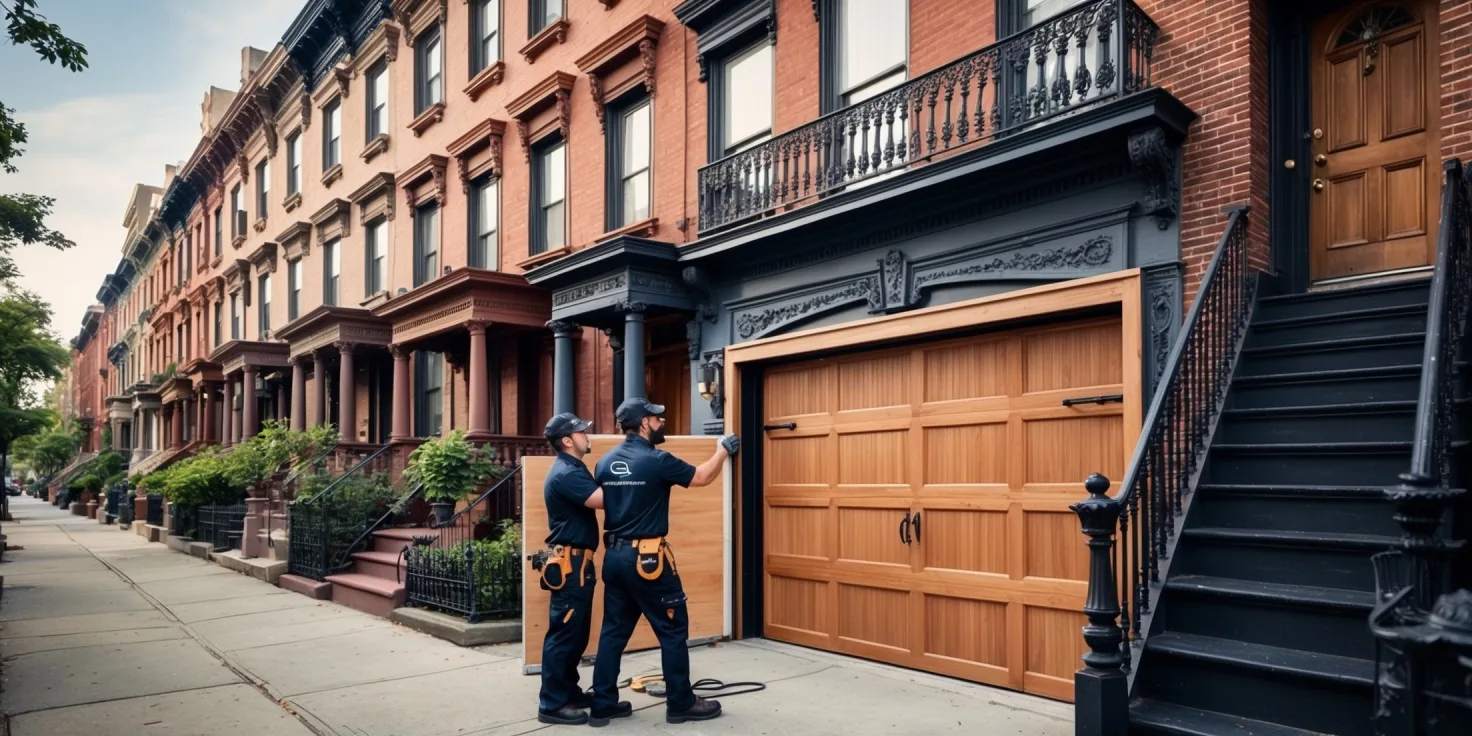
Renovating a historic home in New York City comes with its own set of unique challenges—especially when it comes to updating or replacing garage doors. Preserving architectural integrity while ensuring modern functionality requires careful planning and expert guidance. At H&O New York Garage Door Repair, we specialize in providing tailored garage door solutions that respect the charm of historic properties while meeting today’s safety and efficiency standards. Whether you’re restoring a brownstone in Brooklyn or updating a classic townhouse in Manhattan, our licensed, bonded, and insured team offers same-day emergency service and guarantees on all parts and labor. In this guide, we’ll share essential garage door tips for NYC historic renovations, helping you maintain your home’s character without compromising on quality or performance. Trust H&O—where quality meets every door.
Understanding NYC Historic District Regulations
Navigating the complexities of garage door renovations in New York City’s historic districts requires a clear understanding of the regulations set forth by the Landmarks Preservation Commission (LPC). These rules are designed to preserve the architectural integrity and historical significance of designated neighborhoods, which means any exterior modifications—including garage door replacements or upgrades—must adhere to specific guidelines. Whether you are restoring a brownstone in Brooklyn or updating a carriage house in Manhattan, compliance with these regulations is essential to avoid costly penalties and project delays.
The LPC oversees more than 36,000 landmark properties across the five boroughs, including over 150 historic districts. According to the NYC Department of City Planning, these districts are designated based on architectural, cultural, and historical value. Any changes to the façade of a building within these areas, including garage doors, must receive a Certificate of No Effect, a Permit for Minor Work, or a Certificate of Appropriateness, depending on the scope of the project.
“In historic districts, even small changes to a building’s exterior can significantly impact the character of the neighborhood,” notes the NYC Landmarks Preservation Commission.
For homeowners and contractors, this means that choosing a garage door is not just about functionality or aesthetics—it’s also about historical accuracy. Materials, design, and color must often match or complement the original architectural style of the building. For example, a modern aluminum roll-up door may not be permitted in a district dominated by 19th-century brownstones. Instead, wood-paneled doors with traditional hardware may be required to maintain the visual harmony of the streetscape.
To ensure compliance, it is crucial to consult the LPC’s guidelines early in the planning process. The commission provides detailed instructions and examples of acceptable modifications. Here are some key considerations when planning a garage door renovation in a historic district:
- Review the LPC’s Rules and Regulations for Historic Districts to understand what types of changes are permitted.
- Submit detailed plans, including materials, dimensions, and color samples, for LPC approval before beginning any work.
- Work with a contractor experienced in historic renovations who understands the nuances of LPC compliance.
- Consider custom garage door solutions that replicate historic designs while incorporating modern functionality.
In addition to LPC approval, you may also need permits from the NYC Department of Buildings, especially if structural changes are involved. This dual-layer of oversight underscores the importance of working with professionals who are familiar with both city and landmark regulations.
For those seeking expert assistance, our team at HO Garage Door Repair offers specialized garage door services tailored to meet the unique demands of historic properties. From initial consultation to final installation, we ensure that every step aligns with LPC standards and your vision for the property.
Moreover, understanding the long-term maintenance needs of historically appropriate garage doors is essential. Wood doors, for instance, require regular upkeep to prevent warping and decay. Our garage door maintenance services help preserve both the functionality and historical integrity of your investment.
According to the National Trust for Historic Preservation, maintaining the character of historic neighborhoods not only enhances community pride but also increases property values. This makes compliance with NYC’s historic district regulations not just a legal requirement, but a smart financial decision.
For more information on LPC guidelines, visit the official NYC Landmarks Preservation Commission website at https://www.nyc.gov/site/lpc/index.page. You can also explore examples of approved garage door renovations in historic districts through the LPC’s public records.
By understanding and respecting the regulations that govern NYC’s historic districts, homeowners can successfully blend modern convenience with timeless design—ensuring their garage door renovation enhances both the functionality and heritage of their property.
Choosing Garage Door Styles That Match Historic Architecture
When renovating a historic property in New York City, maintaining architectural integrity is essential, especially when it comes to selecting a garage door. The right garage door style can enhance the overall aesthetic of a historic home while meeting modern functionality and safety standards. NYC is home to a wide variety of architectural styles, from brownstones and Victorian townhouses to Beaux-Arts and Colonial Revival homes. Each of these styles has unique design elements that should be considered when choosing a garage door to ensure it complements the original structure rather than detracts from it.
One of the first steps in selecting a garage door for a historic renovation is identifying the architectural style of the home. For example, a Victorian-style home often features ornate trim, decorative windows, and intricate woodwork. In this case, a carriage-style garage door with raised panels and vintage hardware can be an excellent match. On the other hand, a Colonial Revival home might benefit from a more symmetrical and classic door design, such as a paneled wood door painted in a traditional color.
Material choice is another critical factor. Wood is often the preferred material for historic homes due to its authentic appearance and versatility. It can be customized to match existing trim and finishes, making it ideal for preserving the historic character of the property. However, modern materials like steel or fiberglass can also be designed to mimic wood while offering enhanced durability and lower maintenance. These options are especially practical in NYC, where weather conditions and urban wear-and-tear can take a toll on exterior features.
Color and finish should also align with the home’s original palette. Neutral tones like white, beige, or deep green are often appropriate for historic homes, but it’s important to research the specific color schemes that were popular during the era in which the home was built. Custom paint or stain finishes can help the garage door blend seamlessly with the rest of the façade.
Windows are another design element that can significantly impact the appearance of a garage door. For historic homes, incorporating divided-light windows or arched designs can echo the architectural details found in other parts of the home. These features not only add visual interest but also allow natural light into the garage space, enhancing its usability.
In addition to aesthetics, homeowners must also consider local regulations and historic preservation guidelines. Many NYC neighborhoods have landmark status or are part of historic districts, which means any exterior modifications, including garage doors, must be approved by the Landmarks Preservation Commission. Working with a professional who understands these requirements can help ensure compliance and avoid costly delays.
Functionality should not be overlooked. While maintaining a historic look is important, modern garage doors offer features such as insulation, smart technology, and enhanced security that can improve the overall value and convenience of the home. Fortunately, many manufacturers now offer custom solutions that combine traditional design with contemporary performance.
For those seeking expert guidance, exploring professional garage door services can be invaluable. These services often include design consultations, custom fabrication, and installation tailored to the unique needs of historic properties. Additionally, understanding the full scope of available options through the company’s about page can provide insight into their experience with historic renovations in NYC.
Ultimately, choosing the right garage door style for a historic home in New York City requires a careful balance of design authenticity, material selection, and modern functionality. By respecting the architectural heritage of the property and working with knowledgeable professionals, homeowners can enhance their curb appeal while preserving the timeless charm that makes historic homes so special.
Materials That Blend Tradition with Modern Durability
When renovating historic homes in New York City, selecting the right garage door materials is essential to preserving architectural authenticity while ensuring modern performance. Many historic properties feature unique design elements, such as ornate woodwork or carriage-style doors, that reflect the character of a bygone era. However, traditional materials like solid wood, while visually appealing, may not always meet the demands of today’s climate, security standards, or energy efficiency requirements. Fortunately, modern garage door materials now offer the perfect balance between classic aesthetics and contemporary durability, making them ideal for historic renovations.
One of the most popular choices for maintaining a traditional look is composite wood. This material mimics the appearance of real wood but is engineered to resist warping, rotting, and insect damage. Composite wood garage doors can be customized with period-appropriate designs, including raised panels and decorative hardware, while offering the low maintenance and longevity that homeowners need in a bustling city like NYC. Additionally, they can be painted or stained to match the original color palette of the home, ensuring a seamless integration with the existing architecture.
Steel garage doors with wood-grain finishes are another excellent option. These doors combine the strength and security of steel with the timeless charm of wood. They are particularly beneficial for NYC homeowners who want to enhance curb appeal without compromising on safety or insulation. Many steel doors are now available with high R-value insulation, which helps regulate indoor temperatures and reduce energy costs—a crucial consideration in the city’s variable climate. For those living in areas like Brooklyn or Queens, where historic preservation is often a priority, these doors offer a smart solution that respects the past while embracing the future.
Aluminum and glass garage doors are also gaining popularity in historic renovations, especially for carriage houses or converted brownstones with a more modern twist. While these materials may seem contemporary, they can be designed with divided-light windows and custom frames to echo traditional styles. Aluminum is lightweight, corrosion-resistant, and ideal for urban environments where exposure to the elements is a concern. When paired with frosted or tinted glass, these doors provide privacy and a sleek appearance that complements both old and new architectural elements.
For homeowners seeking expert guidance on choosing the right materials, professional consultation is key. Working with a trusted local provider ensures that the selected garage door not only meets aesthetic goals but also complies with NYC building codes and historic district regulations. At H&O Garage Door Repair, our team specializes in helping clients navigate these complex requirements. Whether you’re restoring a brownstone in Manhattan or updating a historic home in Queens, our garage door services are tailored to meet your unique needs.
In addition to material selection, proper installation is critical to achieving both visual harmony and long-term functionality. A poorly installed garage door can detract from a home’s historic charm and lead to costly repairs down the line. That’s why our experienced technicians provide meticulous installation services that honor the craftsmanship of the original structure. Learn more about our approach and commitment to quality by visiting our about page.
Ultimately, the goal of any historic renovation is to preserve the soul of the home while enhancing its livability. By choosing garage door materials that blend traditional design with modern durability, NYC homeowners can achieve this balance with confidence. Whether you prefer the warmth of composite wood, the resilience of steel, or the sleekness of aluminum and glass, today’s options make it easier than ever to protect your investment and celebrate your home’s unique heritage.
Custom Garage Door Solutions for Landmark Properties
When renovating historic properties in New York City, preserving architectural integrity while integrating modern functionality is a delicate balance. One of the most overlooked yet essential components of these renovations is the garage door. For landmark properties, a standard garage door simply won’t suffice. These buildings often feature unique architectural elements, strict preservation guidelines, and specific aesthetic requirements that demand a custom approach. Tailored garage door solutions are essential to maintain the historical charm of the property while ensuring safety, durability, and modern convenience.
Custom garage doors for historic homes must be designed with a deep understanding of the building’s original style. Whether the property features Beaux-Arts, Federal, or Gothic Revival architecture, the garage door should complement the existing façade. This often involves using materials like natural wood, wrought iron, or custom-milled panels that replicate the original design elements. In some cases, homeowners may need to consult with preservation boards or local authorities to ensure the design meets regulatory standards. Working with experienced professionals who understand these requirements is crucial to avoid costly delays or compliance issues.
In addition to aesthetics, functionality is a key consideration. Many historic homes were built before the advent of modern vehicles, meaning garage spaces are often smaller or oddly shaped. Custom garage doors can be engineered to fit these unique dimensions, ensuring a seamless and secure installation. Advanced technology can also be discreetly integrated into the design, such as insulated panels for energy efficiency, smart openers for convenience, and reinforced materials for enhanced security. These features provide modern benefits without compromising the historical appearance of the property.
Another important factor is the choice of opening mechanisms. Traditional swing-out or carriage-style doors may be more appropriate for certain historic homes than contemporary roll-up models. However, modern engineering allows for the replication of these classic styles with updated materials and mechanisms that offer smoother operation and better durability. This hybrid approach ensures that homeowners can enjoy the charm of a vintage look with the reliability of modern technology.
Maintenance is also a critical aspect of owning a custom garage door on a historic property. Due to the bespoke nature of these doors, regular upkeep is essential to preserve their appearance and functionality. Services such as garage door maintenance and inspections can help identify potential issues before they become costly repairs. Additionally, having access to specialized repair services ensures that any damage can be addressed without compromising the door’s custom design or the property’s historical value.
For homeowners in NYC looking to enhance their historic property with a custom garage door, it’s important to work with a provider that offers comprehensive services. From initial consultation and design to installation and ongoing support, a full-service approach ensures that every detail is handled with care. Companies that specialize in garage door services in New York understand the unique challenges posed by landmark properties and can offer solutions tailored to meet both aesthetic and functional needs.
In conclusion, custom garage door solutions are not just a luxury but a necessity for historic renovations in New York City. They provide the opportunity to preserve the architectural heritage of a property while incorporating modern features that enhance usability and security. By investing in a custom design, homeowners can ensure their garage door not only meets regulatory standards but also adds to the overall value and beauty of their historic home.
Balancing Aesthetics and Functionality in Renovations
When renovating historic properties in New York City, one of the most challenging aspects is achieving a seamless blend between modern functionality and timeless aesthetics—especially when it comes to garage doors. These architectural elements, while often overlooked, play a significant role in maintaining the visual integrity of a historic facade while also meeting the demands of contemporary living. Homeowners and property developers must navigate a delicate balance between preserving the charm of the past and incorporating the conveniences of the present.
Historic buildings in NYC are known for their unique architectural styles, from brownstones in Brooklyn to pre-war townhouses in Manhattan. These structures often feature intricate woodwork, arched doorways, and period-specific materials that contribute to their historic value. When replacing or upgrading a garage door, it is essential to select a design that complements these features. Opting for custom wood garage doors or steel doors with faux wood finishes can help maintain the traditional look while offering modern durability and insulation. Additionally, incorporating design elements such as carriage-style panels, decorative hardware, and historically accurate color palettes can enhance the overall aesthetic appeal.
However, aesthetics alone are not enough. Functionality is equally critical, especially in a bustling urban environment like New York City. Garage doors must be equipped with reliable mechanisms that ensure smooth operation, security, and energy efficiency. Features such as insulated panels, smart openers, and weather-resistant materials are essential for withstanding the city’s varied climate and ensuring long-term performance. Choosing high-quality materials and professional installation can prevent common issues like misalignment, noise, and wear over time. For those seeking expert assistance, our comprehensive garage door services offer tailored solutions that meet both aesthetic and functional needs.
Another important consideration is compliance with local regulations and historic preservation guidelines. Many NYC neighborhoods have strict rules governing exterior modifications to maintain the historical integrity of the area. Before beginning any renovation, it is advisable to consult with local preservation boards or architectural review committees. Working with professionals who understand these regulations can help avoid costly mistakes and ensure that your renovation project is approved without delays. Our team is well-versed in navigating these requirements and can guide you through the process from start to finish.
Incorporating modern technology into historic renovations can also enhance functionality without compromising style. For instance, smart garage door openers can be discreetly integrated, allowing homeowners to control access remotely while maintaining the traditional appearance of the door. Similarly, energy-efficient materials and insulation can be added to improve thermal performance, reduce noise, and lower utility bills—all without altering the exterior look of the property.
Maintenance is another key factor in preserving both the appearance and functionality of your garage door. Regular inspections and timely repairs can extend the lifespan of the door and prevent minor issues from escalating into major problems. Services like garage door maintenance are essential for keeping your system in top condition, especially in older buildings where wear and tear are more likely.
Ultimately, the goal of any historic renovation is to honor the past while embracing the future. By carefully selecting materials, designs, and technologies that respect the original architecture, homeowners can create a harmonious blend of old and new. Whether you are restoring a century-old brownstone or updating a classic townhouse, the right garage door can enhance curb appeal, improve functionality, and add lasting value to your property.
For more information about our approach and experience with historic renovations, visit our about page or explore our portfolio of completed projects. Our team is committed to helping you achieve a renovation that is both beautiful and practical, ensuring your historic home remains a cherished part of New York City’s architectural legacy.
Working with Preservation Committees and Local Authorities
When undertaking a historic renovation in New York City, especially one involving garage doors, it is essential to collaborate closely with preservation committees and local authorities. These entities play a critical role in maintaining the architectural integrity and historical value of designated landmarks and neighborhoods. NYC has stringent regulations in place to ensure that any modifications, including garage door replacements or upgrades, align with the original character of the building and its surroundings. Therefore, before initiating any work, homeowners and contractors must understand the specific guidelines set forth by the Landmarks Preservation Commission (LPC) and other local governing bodies.
The first step in this process is to determine whether the property is located within a historic district or is individually landmarked. If so, any exterior changes, including garage door installations, must be reviewed and approved by the LPC. This typically involves submitting detailed plans, photographs, and material samples that demonstrate how the proposed garage door will match the historical aesthetics of the building. Working with experienced professionals who are familiar with these requirements can streamline the approval process and help avoid costly delays or rejections.
In many cases, preservation committees prefer garage doors that replicate the original design, materials, and craftsmanship of the period. For example, wood carriage-style doors with traditional hardware may be favored over modern aluminum or steel options. However, advancements in garage door technology now allow for custom designs that combine historical appearance with modern functionality, such as insulated cores and automated openers. It is crucial to present these options clearly to the committee, emphasizing how they preserve the visual integrity while enhancing performance and security.
Engaging with local authorities also means adhering to building codes and zoning regulations, which may affect the size, placement, and operation of the garage door. For instance, some neighborhoods have restrictions on overhead doors or require specific clearance heights. A thorough understanding of these rules ensures that the renovation complies with all legal requirements and avoids potential fines or mandated removals.
Another key aspect of working with preservation committees is communication. Establishing a transparent and respectful dialogue with committee members can foster a collaborative environment where concerns are addressed early in the planning stages. This proactive approach often leads to smoother approvals and a more successful renovation outcome. It is also beneficial to document all interactions and keep records of submitted materials and decisions for future reference.
Homeowners should also consider consulting with local experts who specialize in historic renovations and garage door installations. These professionals can provide valuable insights into the types of doors that have been approved in similar projects and suggest appropriate materials and finishes. For those looking for reliable and knowledgeable service providers, our team at H&O Garage Doors offers a wide range of garage door services tailored to meet the unique needs of historic properties in NYC.
Additionally, understanding the full scope of services available can help homeowners make informed decisions. From initial consultation to final installation, our experts guide clients through every step of the process. Learn more about our background and commitment to quality by visiting our about page.
In conclusion, navigating the complexities of historic renovations in NYC requires careful coordination with preservation committees and local authorities. By respecting the historical context, complying with regulations, and working with experienced professionals, homeowners can successfully upgrade their garage doors while preserving the charm and character of their historic properties.
Energy Efficiency and Insulation for Older Buildings
When renovating historic buildings in New York City, especially those with attached or integrated garages, energy efficiency and insulation are critical considerations. Older structures often lack modern insulation standards, which can lead to significant energy loss through garage doors. Upgrading or replacing garage doors with energy-efficient models can dramatically improve the thermal performance of the entire building. This is particularly important in NYC, where extreme seasonal temperatures can strain heating and cooling systems, leading to higher energy bills and reduced indoor comfort.
Many historic buildings were constructed before the advent of modern insulation materials and techniques. As a result, garages in these properties often have single-layer doors made of wood or metal, which offer minimal thermal resistance. Replacing these with insulated garage doors that feature polyurethane or polystyrene cores can significantly reduce heat transfer. These materials provide a high R-value, which measures the door’s resistance to heat flow, helping to maintain a stable indoor temperature regardless of the weather outside.
In addition to choosing the right materials, proper installation is vital to ensure energy efficiency. Gaps around the garage door frame, poor sealing, and misaligned tracks can all contribute to air leaks. Hiring professionals who specialize in garage door installation ensures that the door fits perfectly and seals tightly, minimizing drafts and energy loss. Weatherstripping and bottom seals should also be inspected and replaced as needed to maintain a tight barrier against the elements.
Another important factor is the integration of the garage door with the building’s overall insulation strategy. For example, if the garage is attached to the main living area, it becomes even more crucial to prevent thermal bridging between the two spaces. Insulated garage doors act as a buffer zone, reducing the amount of cold or hot air that enters the home. This not only enhances comfort but also reduces the workload on HVAC systems, extending their lifespan and lowering maintenance costs.
For historic renovations, maintaining the architectural integrity of the building is often a top priority. Fortunately, modern insulated garage doors come in a variety of styles and finishes that can mimic traditional designs while offering the benefits of contemporary materials. Whether you prefer carriage-style doors, wood-look finishes, or custom paneling, there are energy-efficient options that blend seamlessly with the historic aesthetic of your property.
Moreover, energy efficiency improvements can increase the value of a historic home. Buyers are increasingly looking for properties that combine classic charm with modern functionality. An upgraded, insulated garage door not only enhances curb appeal but also signals that the home has been thoughtfully updated to meet today’s energy standards. This can be a strong selling point in NYC’s competitive real estate market.
Regular maintenance is also key to preserving the energy efficiency of your garage door. Over time, insulation materials can degrade, seals can wear out, and mechanical components can become misaligned. Scheduling periodic inspections and tune-ups through a trusted provider of garage door services ensures that your door continues to perform optimally. Preventive care helps identify and address minor issues before they escalate into costly repairs or energy losses.
Incorporating energy-efficient solutions into your historic renovation project not only supports sustainability but also aligns with NYC’s broader environmental goals. The city has implemented various initiatives aimed at reducing carbon emissions and improving building performance. By upgrading your garage door with insulation in mind, you contribute to these efforts while enjoying the practical benefits of lower utility bills and enhanced indoor comfort.
Ultimately, balancing historic preservation with modern energy standards is achievable with the right approach. By selecting insulated garage doors that respect the architectural heritage of your building and ensuring professional installation and maintenance, you can create a more comfortable, efficient, and valuable home. For more information on how to enhance your garage’s energy performance, visit our about page or explore our range of services.
In conclusion, renovating a historic property in New York City comes with its unique set of challenges—and choosing the right garage door is no exception. By respecting architectural integrity, adhering to local preservation guidelines, and selecting materials and designs that blend seamlessly with the building’s historic character, homeowners can enhance both the functionality and aesthetic appeal of their property. Whether you’re restoring a brownstone in Brooklyn or updating a carriage house in Harlem, thoughtful planning and expert guidance can ensure your garage door complements the past while serving the needs of the present. With the right approach, your renovation can preserve the charm of old New York while embracing modern convenience.