
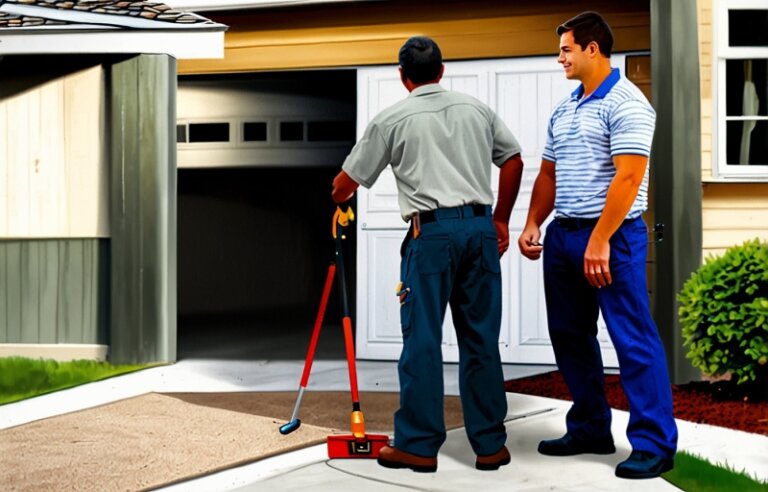
Garage Door Safety Tips for Small Children are more important than ever in today’s busy households. Did you know that garage doors cause thousands of injuries each year, many involving kids under the age of 10? As a trusted name in New York, H&O Garage Doors is committed to helping families stay safe around these powerful systems. So, how can you make your garage a safer place for your little ones?
Start with the basics. Always keep remote controls out of children’s reach and teach them that garage doors are not toys. This article covers essential safety tips like installing motion sensors, scheduling regular inspections, and educating your kids about garage door dangers. With expert advice from professionals like Tom Wadsworth, a certified garage door technician and safety advocate, you’ll learn how to create a secure environment for your family.
But that’s just the beginning. There are several more practical steps you can take to prevent accidents and ensure peace of mind. Ready to make your garage child-safe with expert-backed strategies? Let’s dive into the complete guide and protect what matters most—your children.
Understanding the Importance of Garage Door Safety for Small Children
Garage doors may seem harmless, but they can pose serious dangers to small children. These heavy, motorized systems can cause severe injuries if mishandled or malfunctioning. According to the U.S. Consumer Product Safety Commission, over 20,000 garage door-related injuries occur annually, with a significant portion involving children. Fingers get pinched, hands get trapped, and in worst cases, doors fall unexpectedly.
Children are naturally curious and often unaware of potential hazards. Without proper supervision or safety features, they can easily access the garage area. That’s why every home with kids should prioritize garage door safety. Installing motion sensors, regularly inspecting the door, and educating children about the risks are essential steps.
Proactive measures can prevent accidents before they happen. Don’t wait for a mishap to take action. Schedule a professional garage door safety inspection to ensure everything functions properly. Also, consider routine garage door maintenance to catch issues early. A secure garage door isn’t just a convenience—it’s a necessity for your child’s safety.
Common Hazards Associated with Garage Doors
Garage doors pose several hidden dangers that can seriously harm small children. One of the most common risks is pinch points. These occur where door panels meet and can trap tiny fingers during operation. Another major hazard is a falling door, especially if the springs or cables fail. Even with automatic sensors, malfunctions can lead to accidents. Children often don’t recognize these dangers due to their natural curiosity and limited awareness.
For example, a toddler in Queens suffered a hand injury when he tried to “help” close the garage door. The door’s edge caught his fingers before the sensor could react. In another case, a child in Brooklyn was struck by a door that unexpectedly dropped due to a broken spring.
To prevent such incidents, regular garage door maintenance is essential. It ensures all components function safely. Parents should also schedule a safety inspection to identify potential risks early. Teaching children to stay away from moving doors can also reduce accidents. Always supervise young kids near the garage.
Childproofing Your Garage Door System
Start by inspecting the garage door system for exposed wires or loose parts. Secure all components tightly. Install motion sensors that detect movement and stop the door immediately. Add safety eyes near the floor to prevent the door from closing if something is in its path. These are essential for protecting small children.
Next, use manual locks to prevent the door from being opened without supervision. Choose tamper-proof remotes and keep them out of children’s reach. Consider a wall-mounted control panel placed at adult height. This reduces the risk of accidental activation.
Schedule regular maintenance to ensure all safety features function properly. If you’re unsure, explore our garage door services for expert help. You can also check our safety inspection options for added peace of mind.
Finally, educate your children about garage door dangers. Keep toys and bikes away from the door area. With these steps, you’ll create a safer environment for your family.
Educating Children About Garage Door Safety
Start by explaining to young children that garage doors are not toys. Use simple language and clear examples. Visual aids like pictures or short videos can help them understand potential dangers. Role-playing is another effective method. Act out safe and unsafe scenarios to reinforce proper behavior.
Set firm rules about staying away from the garage door when it’s moving. Make sure they know never to touch buttons or remotes without permission. Repeat these rules often to build strong habits. Consistency is key.
Create boundaries by marking safe zones with tape or stickers. This gives children a visual cue to stay clear. Encourage questions and praise them when they follow safety rules. Keep the conversation ongoing, not a one-time talk.
For added peace of mind, schedule regular safety inspections to ensure everything works properly. If you need help, explore our garage door services for expert support. Teaching safety early can prevent accidents and build lifelong awareness.
Regular Maintenance and Safety Checks
Inspect your garage door monthly to catch issues early. Start by checking the springs, cables, rollers, and tracks for wear. Tighten any loose bolts or brackets. Lubricate moving parts with a silicone-based spray to ensure smooth operation. Next, test the auto-reverse feature. Place a small object, like a roll of paper towels, under the door. If it doesn’t reverse immediately upon contact, the system needs adjustment.
Check the photo-eye sensors on both sides of the door. Wipe the lenses clean and ensure they’re aligned. A blinking light usually signals misalignment. To verify, block the sensor beam with an object. The door should not close. If it does, call a technician.
Schedule a professional safety inspection at least once a year. Experts can detect hidden issues and ensure your system meets safety standards. For reliable service, explore our garage door repair options or learn more about our full garage door services. Regular checks not only protect your family but also extend your door’s lifespan.
Safe Garage Door Operation Practices for Parents
Always operate your garage door with caution, especially when children are nearby. Keep remote controls and wall-mounted openers out of their reach. Store them in high, secure places to prevent accidental use. Never allow kids to play with or near the garage door, even when it’s not moving. Supervise them closely whenever they’re in the garage area.
Before closing the door, check that no one is near the path. Use the auto-reverse feature to test safety sensors monthly. If the door doesn’t reverse, schedule a professional inspection immediately. Teach children that garage doors are not toys. Reinforce this message regularly to build safe habits.
Avoid leaving the garage door partially open. It can unexpectedly move and cause injury. If you notice any unusual sounds or jerky movements, contact a technician for a repair right away. Regular maintenance ensures safe operation and extends the door’s lifespan.
Finally, install a keypad with a secure code instead of giving children remote access. These simple steps can prevent accidents and keep your family safe.
Choosing the Right Garage Door for Family Safety
When selecting a garage door for a family home, safety should be the top priority. Steel and fiberglass doors offer durability and resist warping, making them ideal for households with children. Avoid wooden doors, as they may splinter or degrade over time. Opt for models with pinch-resistant panels to prevent finger injuries during operation. These panels are designed to push fingers out of harm’s way when the door closes.
Choose a door with a quiet belt-drive opener to reduce noise that could startle or disturb children. Additionally, automatic reverse sensors are essential. They stop the door if an object or person is detected underneath. For added protection, consider doors with tamper-resistant bottom brackets.
Modern designs also include motion-detecting lights, which enhance visibility and deter accidents. Always ensure professional installation to guarantee all safety features function properly. For expert help, explore our garage door installation services. You can also learn more about our safety-focused approach on our about page. Investing in the right door now can prevent costly accidents later.
Emergency Preparedness and First Aid
If a child gets injured by a garage door, act quickly and stay calm. First, move the child to a safe area. Check for visible injuries like cuts, bruises, or broken bones. If the child is unconscious or not breathing, call 911 immediately. For minor wounds, clean the area with water and apply an antiseptic. Use sterile gauze to stop any bleeding. Avoid moving the child if you suspect a head, neck, or back injury.
Always keep a fully stocked first aid kit near the garage. Include bandages, antiseptic wipes, gloves, and a cold compress. Teach family members how to use each item properly. If the injury seems serious or the child is in severe pain, seek medical help without delay.
Create an emergency plan and review it regularly with your family. Post emergency numbers in a visible spot. Practice safety drills so everyone knows what to do. For added protection, schedule regular safety inspections and keep your system in top shape with routine maintenance. These steps can prevent future accidents and ensure a safer environment for your children.
Integrating Smart Technology for Enhanced Safety
Smart garage door openers add a critical layer of protection for families with young children. These devices allow parents to monitor and control access remotely, reducing the risk of accidents. With real-time alerts, you’ll know instantly if the door opens unexpectedly. Auto-close features ensure the garage never stays open longer than necessary, keeping kids from wandering in unsupervised.
Many systems also offer scheduling options, so the door closes at set times daily. This minimizes human error and enhances security. Trusted brands like Chamberlain, LiftMaster, and Genie provide reliable apps with parental controls. These apps let you lock access, view activity logs, and receive push notifications.
For added peace of mind, consider integrating your system with smart home platforms like Google Home or Alexa. This allows voice control and seamless automation. If you’re unsure where to start, explore our garage door services for expert guidance. You can also learn more about our team on the about page. Investing in smart technology today means a safer environment for your children tomorrow.
Frequently Asked Questions (FAQs)
Start teaching garage door safety as early as age three. Use simple language and repeat key rules often.
To check if your sensors work, place an object under the door. If it doesn’t reverse, the sensors need attention.
Yes, you can retrofit your current system. Add features like motion sensors or auto-reverse mechanisms for better protection.
Some models are built with families in mind. These include pinch-resistant panels and tamper-proof controls.
If your child activates the door, stop it immediately. Then, explain the danger calmly and clearly.
Perform safety checks monthly. Inspect springs, cables, and sensors for wear or damage.
Even with the door closed, avoid letting kids play in the garage. Tools and chemicals pose serious risks.
Watch for unusual noises, slow movement, or jerky operation. These signs mean it’s time for professional maintenance.
Smart openers help prevent accidents. They allow remote monitoring and can lock the system when not in use.
Store remotes out of reach. Consider wall-mounted keypads or replacing remotes with child-safe alternatives.
For more guidance, visit our FAQs or explore our services page.